


Scroll through your feed for five minutes and count how many posts actually stop you. Not the ones with clickbait headlines that you’ll forget in a moment, but the ones that make you screenshot, share, or come back later. Chances are, you counted maybe one or two.
That ratio (thousands of posts – a couple worth remembering) tells you everything about the state of social media content right now. Brands are publishing constantly and saying very little.
Valuable content gives people a reason to stop scrolling, engage, and return for more. It solves a problem, answers a question, sparks interest, or offers something useful at the right moment.
The tricky part is figuring out how to accomplish that. And not just when inspiration strikes, but week after week, across platforms, for audiences that are harder to impress every year.
That’s what this article is for.
Lead with Audience Value, Not Promotion
The majority of brands treat social media like a checkout counter. They show up, ask for the sale, and vanish. Audiences, understandably, scroll right past.
If you want attention that compounds over time, lead with value that exists completely separate from a transaction.
A good rule to follow is the 80/20 balance. Devote 80% of your content to providing value and entertaining your audience, and reserve just 20% for direct promotion.
When someone saves your post, shares it with a colleague, or thinks of your brand the next time a relevant problem pops up, you’ve earned a level of trust no ad can buy.
Here’s how to implement this:
- Reconsider your next ten post ideas. Ask yourself if they provide something useful or spark genuine enjoyment, or if they simply announce what you sell.
- If it’s the latter, rework them.
- Turn a product feature into a quick how-to.
- Swap a sales announcement for a fascinating insight from your industry.
- Build a repeating series that answers the questions your customers ask most.
- Over time, your content calendar should feel like a resource, not a brochure.
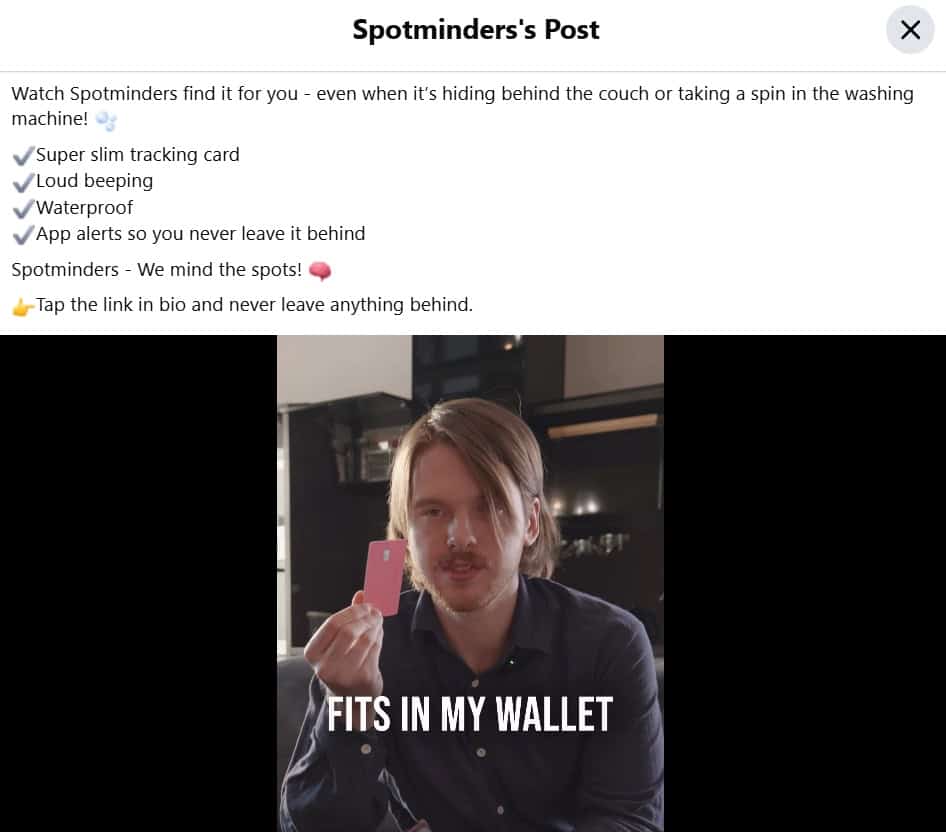
A brand that gets this approach right is Spotminders, selling ultra-slim tracking devices for wallets, bags, and everyday essentials.
Their Facebook page runs on quiet utility. Instead of hammering followers with discount codes, they publish short, interesting videos that demonstrate real use cases, like slipping the tracker into a travel pouch or attaching it to keys before a commute.
The content teaches viewers how to stop losing the things they reach for daily. It doesn’t rely on voiceover urgency or aggressive banners. It simply provides value that builds trust post after post, making the product feel like an obvious solution whenever the need arises.
Source: facebook.com
Solve One Specific Problem Per Post
A post that tries to answer everything answers nothing. The moment you cram five tips, a personal anecdote, and a sweeping industry critique into one caption, you’ve given your reader a reason to keep scrolling.
Specificity grabs attention. A single, well-chosen problem solved cleanly makes your content feel indispensable.
Here’s how to achieve that:
- Start with a single question. Before writing anything, finish this sentence: “After reading this, my audience will know how to ___.” If you can’t complete it cleanly, the topic’s too broad.
- Get to the answer fast. Audiences on social media aren’t reading for context. They’re scanning for relevance. Lead with the solution, then add supporting detail.
- Use your comments section as a content brief. Questions your audience asks directly are ready-made post topics. Each one is a specific problem waiting for a specific answer.
- Resist the urge to add “while we’re at it” content. A post about one thing, done well, outperforms a post about three things done loosely every time.
- Test specificity against vagueness. Run two similar posts (one broad, one narrow) and watch which one earns more saves, shares, and meaningful comments.
Mesothelioma.net, a resource hub providing free, medically reviewed information for people affected by mesothelioma cancer, demonstrates this approach with quiet precision.
Their Facebook page doesn’t attempt to cover the entire cancer journey in a single update. Instead, individual posts tackle highly specific topics. Each piece of content isolates one clear concern and resolves it with straightforward, actionable detail. It avoids vague encouragement and generic awareness fluff.
The specificity makes every post feel crafted for the person who needs that exact answer right now, increasing both relevance and trust.

Source: facebook.com
Use Repeatable Formats That Build Familiarity
Audiences crave predictability in the best way. When someone recognizes your post before they even check the handle, you’ve won a small but significant victory.
Repeatable formats aren’t lazy at all. They’re generous, removing the cognitive load of figuring out what they’re looking at. That way, your audience can focus entirely on the value you’re delivering.
That consistency creates momentum over time. Brands that show up with a cohesive presence become easier to remember, easier to trust, and easier to recognize in crowded social feeds.
Here’s how to build that:
- Identify two or three repeatable content formats. Think “weekly myth-busting post,” “before-and-after updates,” or “three-frame quick tips.” Your team can produce these formats reliably, and your audience can anticipate them.
- Document your brand voice in plain language. Not a vague adjective list, but actual examples of phrases you’d use and phrases you wouldn’t.
- Create visual templates. Use the same fonts, same color palette, and same layout logic across posts. Audiences should recognize your content before they read a word.
- Audit quarterly. Check whether your last 30 posts feel like they came from the same brand. If they don’t, something has drifted.
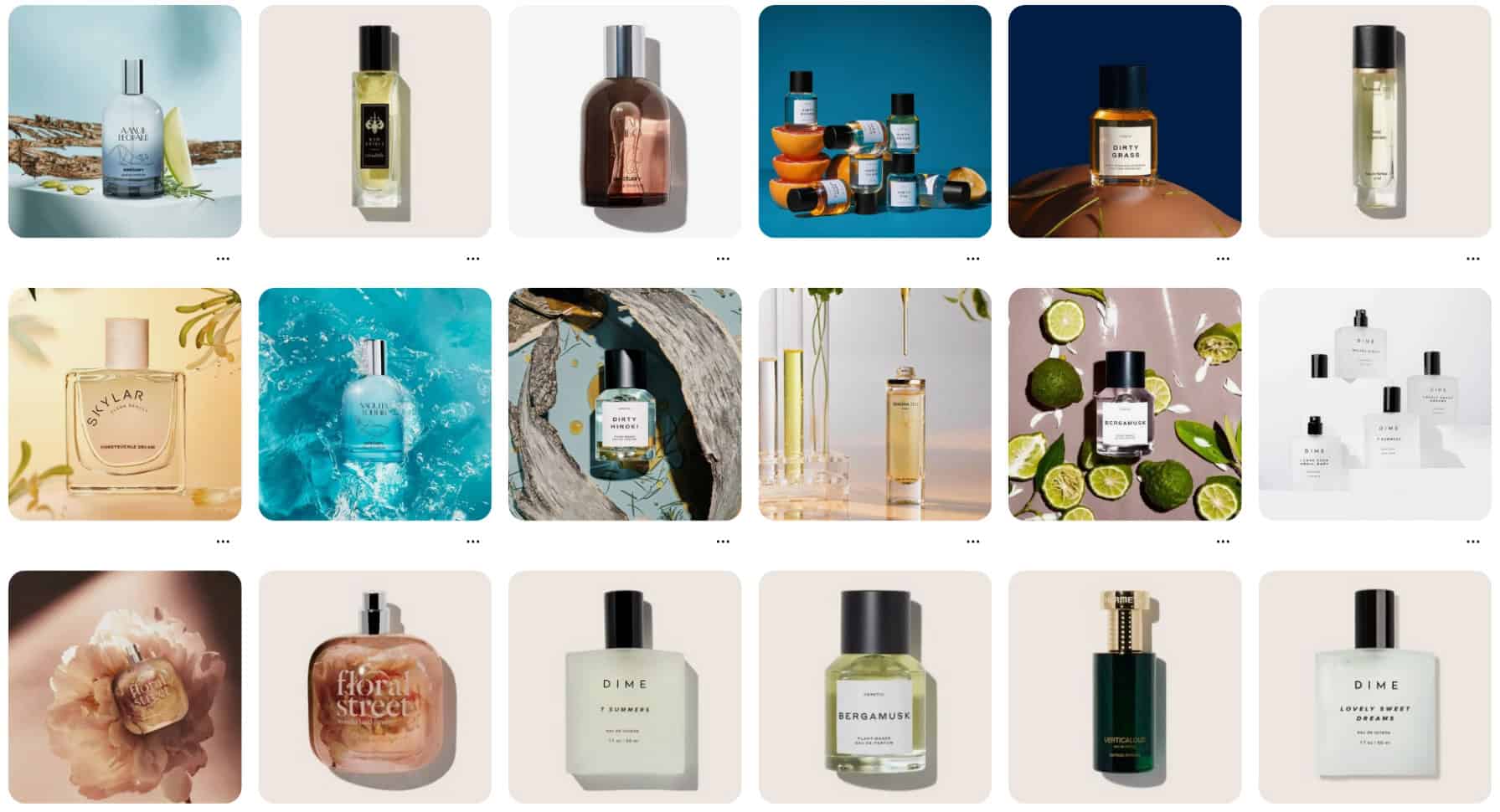
Scentbird, a subscription service that lets customers try luxury fragrances each month before committing to full bottles, executes this beautifully on Pinterest.
Their pins follow an unmistakable visual rhythm. They feature clean product silhouettes against soft, consistent backdrops, with typography that stays uniform across every post. A viewer scrolling through their feed instantly knows it’s Scentbird without squinting at the logo.
The repeatable design reduces friction, signals reliability, and turns casual browsers into repeat visitors who associate the polished, calm aesthetic with the discovery of a new signature scent. Familiarity becomes a quiet promise of quality.
Source: pinterest.com
Make Content Relatable Through Simple Storytelling
People don’t remember bullet points. They remember how something made them feel.
A product photo against a white background tells someone what you sell. A simple story about why that product exists, or the small moment it improved, gives them a reason to care.
But don’t equate storytelling to dramatic arcs or tear-jerking confessions. You just need a relatable human thread your audience can see themselves in.
Here’s how to weave storytelling into your social content:
- Use real customer language. Pull phrases from reviews, DMs, and comments. When people read words that sound like their own thoughts, the content immediately feels personal.
- Show the before, not just the after. The struggle is what makes the resolution meaningful. Skipping straight to the result removes the part that audiences actually relate to.
- Keep it short. A relatable story on social media is two or three sentences, not a paragraph. That’s enough to create recognition.
- Let visuals carry the narrative. A single image can establish a mood, a setting, and a feeling faster than a caption can. Use the text to add context.
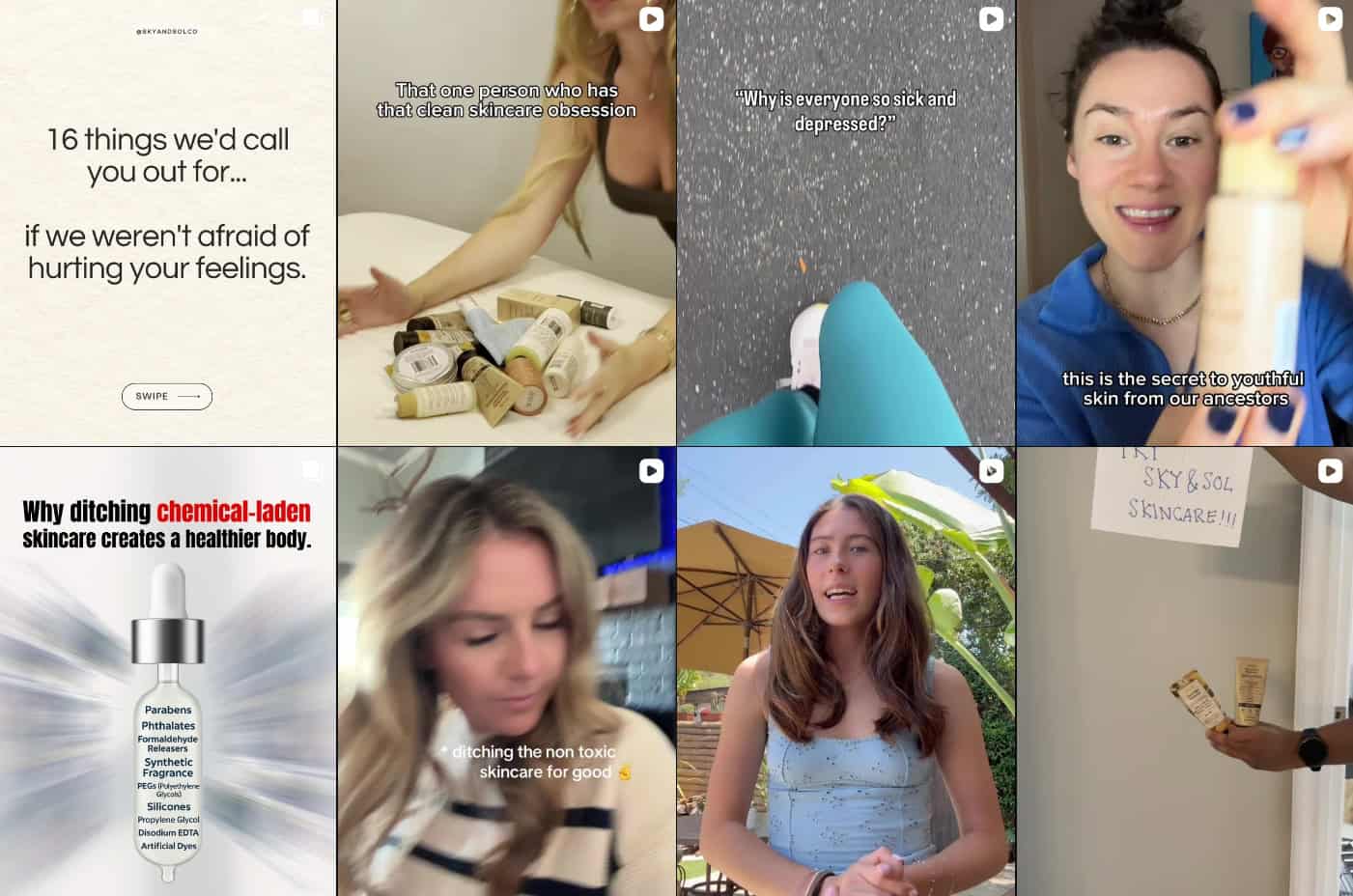
Sky and Sol, a brand crafting natural sunscreen products, demonstrates this beautifully on Instagram.
Their feed doesn’t rely on sterile product shots or ingredient lists crammed into graphics. Instead, they show everyday people using their products in everyday situations, honestly and without hiding real-world issues. Each post feels less like a catalog entry and more like a glimpse into someone’s actual life.
The storytelling is gentle, approachable, and rooted in everyday moments anyone can recognize. That relatability drives deeper engagement because followers are picturing the benefits they’ll get to experience, not just seeing a model pretending to use sunscreen.
Source: instagram.com
Use Educational Content to Solve Real, Specific Problems
The brands that audiences trust most are the ones that taught them something useful. Educational content earns attention because it gives people a reason to show up beyond the product itself. And when a brand consistently answers real questions well, authority follows naturally.
Video has made this easier and more effective than ever. A thorough explanation of a niche topic, done clearly and without fluff, can reach more people and build more credibility than a polished brand campaign.
Brands that invest in teaching their audience through video, carousels, or written posts position themselves as the go-to source in their category over time.
Here’s how to build educational content that works:
- Mine your audience’s actual questions. Search forums, comment sections, and review pages in your niche. The questions people ask repeatedly can become your content calendar.
- Teach one concept per piece. The temptation to be comprehensive usually kills clarity. Pick one thing, explain it well, and stop there.
- Show your reasoning, not just your conclusion. Audiences trust brands that explain the “why” behind their advice. It signals genuine expertise rather than surface-level familiarity.
- Optimize for search and AI discovery. Clear titles, specific topics, and structured content help both search engines and generative AI tools surface your content when people ask relevant questions.
- Repurpose depth into short-form. A detailed blog post can become five short videos. A long video can become a carousel. Educational content has a longer shelf life than most, so use it across all formats.
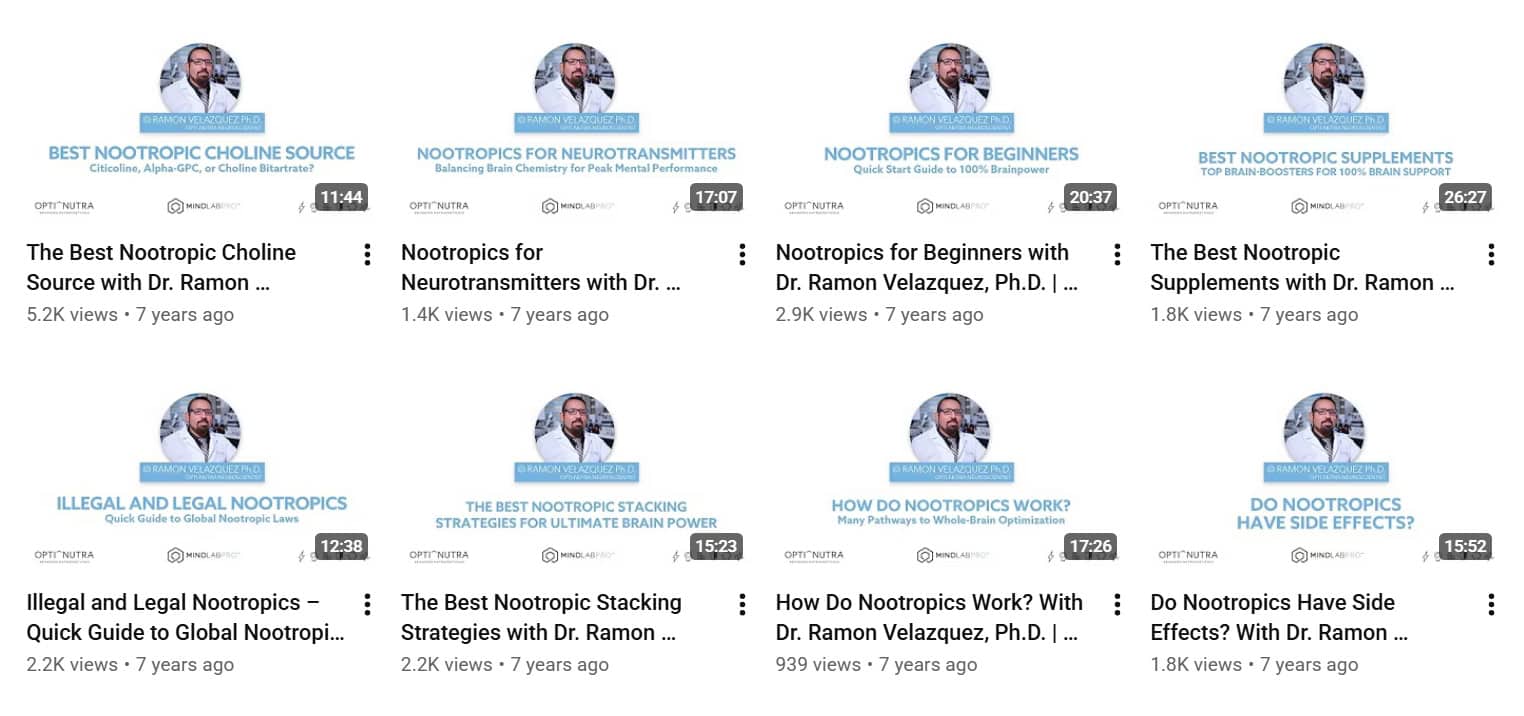
Mind Lab Pro, a universal nootropic supplement designed to support brain health, builds its authority through exactly this approach on YouTube.
Their videos don’t chase trends or lean on influencer hype. Each upload zeroes in on a specific cognitive topic, like how certain compounds work, what the research actually says, or if they have any side effects. They deliver the information with measured, evidence-backed clarity. Viewers walk away having learned something concrete they can discuss or apply.
That steady commitment to education rather than promotion positions the brand as a calm, reliable voice in a market crowded with noise and exaggerated promises.
Source: youtube.com
Optimize for Fast, Easy Consumption
There’s a lot of competition for attention on social media. Every post is up against breaking news, personal updates, viral videos, and everything else, fighting for the same two seconds of consideration. Content that’s hard to read quickly doesn’t get a second chance.
This doesn’t mean dumbing things down. You should simply respect your audience’s time by presenting information in the most efficient format possible. Structure, pacing, and visual clarity all determine whether someone reads your content or keeps scrolling.
Here’s how to make your content easier to consume:
- Lead with the payoff. Put the most useful or interesting information first. Audiences decide within seconds whether a post is worth their time, so don’t bury the value.
- Break text into short, scannable units. Long, unbroken paragraphs lose people fast. White space is what makes content feel approachable.
- Match format to complexity. A single insight works as a text post. Multiple findings or steps work better as a carousel, a numbered list, or a short video with clear on-screen text.
- Cut every word that isn’t doing a job. Read your draft and ask whether each sentence adds something the previous one didn’t. If it doesn’t, remove it.
- Design for sound-off viewing. Captions, on-screen text, and strong visuals ensure your content works even when nobody’s listening.
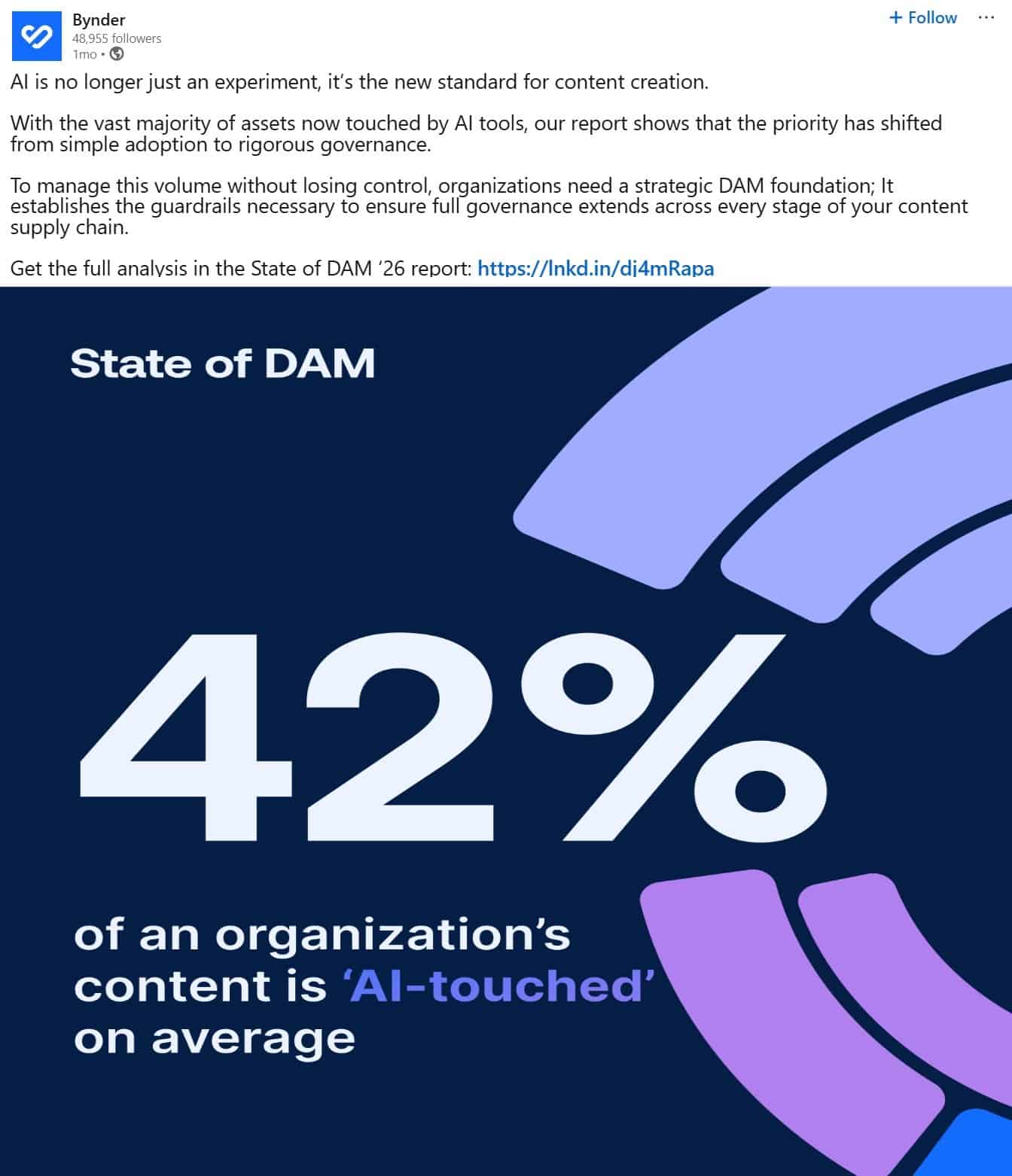
Bynder builds cloud-based software that helps teams store, organize, and distribute their digital assets from one central platform.
Their LinkedIn content is a strong example of format matching substance. When they publish industry research, they make sure to link to it.
But, they also package key findings into carousel posts where each slide delivers one distinct insight. This makes substantial reports immediately digestible without requiring anyone to leave the feed.
Source: linkedin.com
Final Thoughts
Every tactic in this article already works. Brands are using them right now, quietly building audiences that actually pay attention.
The difference between those brands and everyone else is simply the willingness to stop defaulting to what’s easy and start asking what’s genuinely useful.
Social media rewards those who treat their audience like people worth impressing — and not through spectacle, but through consistency, relevance, and a little creative courage.
Now that you’ve got the playbook, the next move is yours.