

Social media marketing has evolved far beyond its early days of casual posting and basic audience engagement. Today, it operates within a complex ecosystem driven by algorithms, user behavior signals, and real-time performance metrics. Brands are expected to deliver consistent, high-quality content while also adapting instantly to trends and audience expectations. This level of sophistication demands more than manual effort—it requires intelligent systems that can process, analyze, and act on data at scale.
Artificial intelligence (AI) has emerged as a transformative force in this landscape. Rather than simply automating repetitive tasks, AI introduces a layer of intelligence that enables marketers to make more informed decisions. It allows businesses to understand their audiences in granular detail, craft highly relevant content, and optimize campaigns dynamically. The result is a shift from reactive marketing to proactive strategy execution.
In this article, we will take a comprehensive look at how AI enhances every stage of social media marketing. From audience analysis and content creation to campaign optimization and future trends, each section will explore the depth and breadth of AI’s impact, providing actionable insights for marketers aiming to stay competitive.
Understanding AI in Social Media Marketing
AI in social media marketing encompasses a broad range of technologies, including machine learning (ML), natural language processing (NLP), computer vision, and predictive analytics. These technologies work together to analyze large datasets, identify patterns, and generate insights that would be nearly impossible to derive manually.
At a functional level, AI systems ingest data from multiple sources—user interactions, engagement metrics, click-through rates, and even external data such as market trends. This type of infrastructure is also becoming increasingly important for data marketplaces, where platforms aggregate, normalize, and distribute datasets from multiple providers and external sources. They then apply algorithms to uncover correlations and predict future outcomes. For example, AI can determine which type of content is most likely to resonate with a specific audience segment or identify the optimal time to post for maximum visibility.
Another important aspect of AI is its ability to learn continuously. Unlike traditional rule-based systems, AI models improve over time as they process more data. This makes them particularly effective in the fast-changing environment of social media, where user preferences and platform algorithms are constantly evolving.
By integrating shadcn AI into their workflows, marketers can move beyond intuition-based decision-making and adopt a data-driven approach that is both scalable and adaptable.
Data-Driven Audience Insights
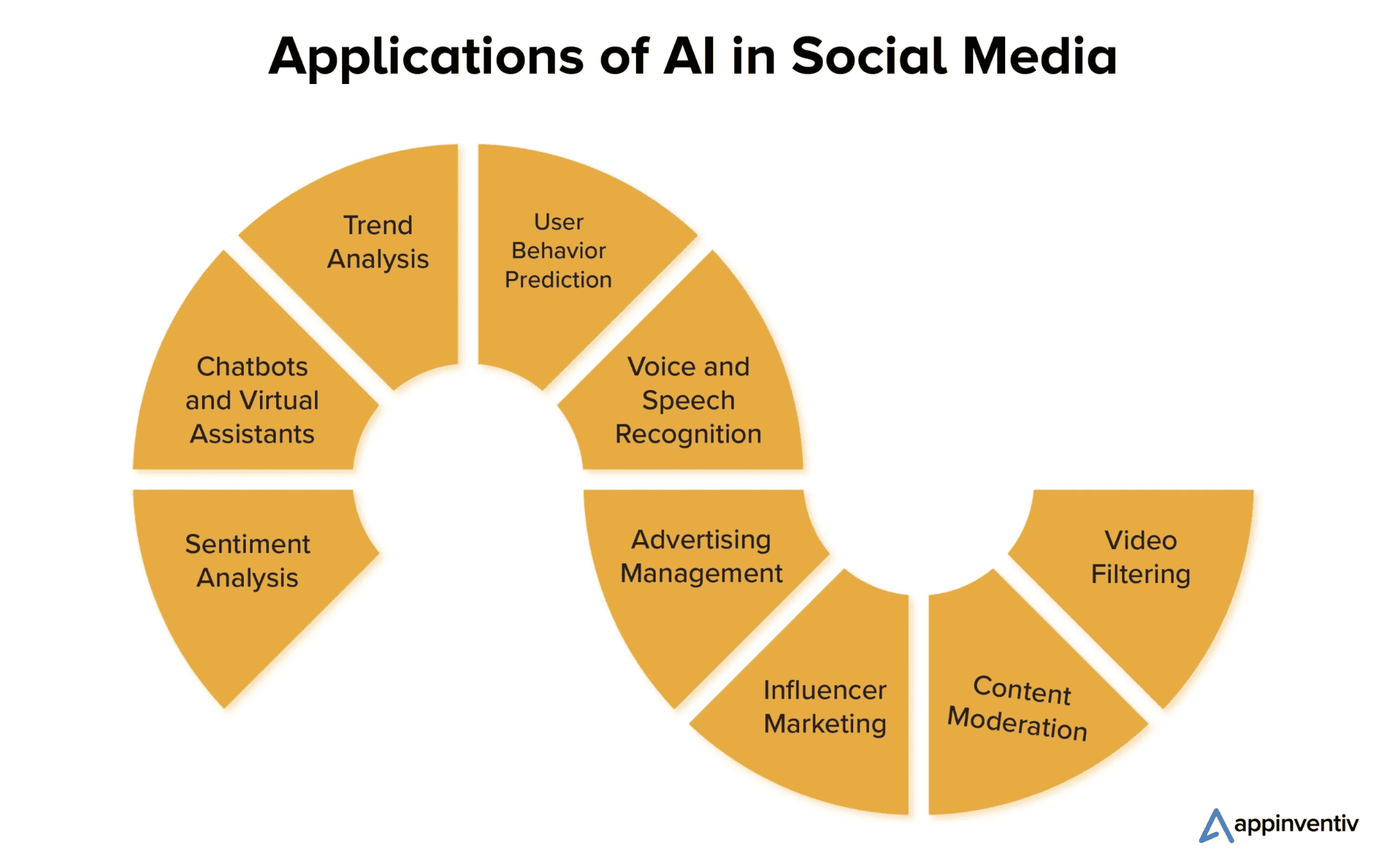
Understanding your audience is the foundation of any successful social media strategy, and AI significantly enhances this capability. Traditional analytics tools provide surface-level insights, but AI dives deeper to reveal nuanced patterns in user behavior.
Deep Audience Segmentation
AI enables marketers to segment audiences with remarkable precision. Instead of relying solely on demographic data like age, gender, or location, AI considers behavioral signals such as browsing habits, content interactions, purchase history, and engagement frequency. This allows for the creation of highly specific audience clusters.
For instance, a brand can target users who frequently engage with sustainability-related content and prefer short-form videos which can be easily created with Steve AI – ai video generator. This level of granularity ensures that marketing messages are highly relevant, increasing the likelihood of engagement and conversion.
Behavioral Prediction
Predictive analytics is one of AI’s most powerful capabilities. By analyzing historical data, AI can forecast future user actions with a high degree of accuracy. This includes predicting which users are likely to engage with a post, make a purchase, or disengage from the brand.
Such insights enable marketers to design campaigns that align with different stages of the customer journey. For example, users with high purchase intent can be targeted with conversion-focused ads, while those at risk of churn can receive re-engagement campaigns.
Sentiment Analysis
AI-powered sentiment analysis uses NLP to evaluate the tone and emotion behind user-generated content, such as comments, reviews, and mentions. This goes beyond counting likes or shares—it helps marketers understand how people truly feel about their brand.
By identifying positive, negative, or neutral sentiment, businesses can respond more effectively to customer feedback. For example, a sudden spike in negative sentiment can signal a potential issue that needs immediate attention, allowing brands to act before it escalates.
AI-Powered Content Creation
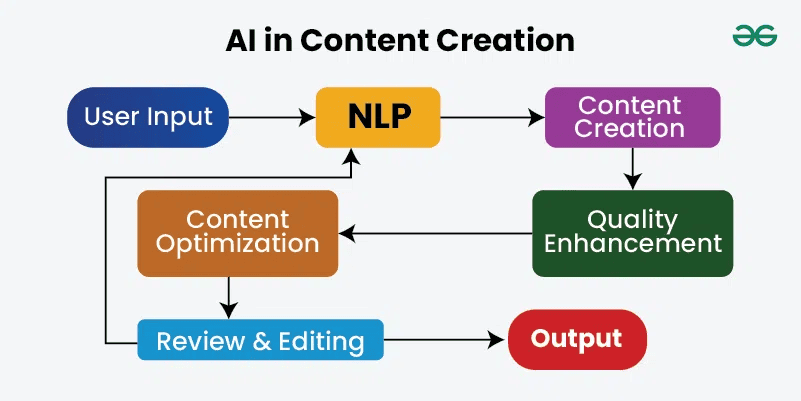
Content creation is one of the most resource-intensive aspects of social media marketing, and AI is transforming how it is approached. Instead of starting from scratch, marketers can leverage AI tools to generate, refine, and optimize content efficiently.
Automated Copywriting
AI-driven copywriting tools can produce captions, ad copy, and even long-form content based on input prompts and historical performance data. These tools analyze what has worked in the past and generate variations that align with proven engagement patterns.
They can also adapt tone and style to suit different audiences or platforms, ensuring consistency while maintaining relevance. This helps an AI development company create content more efficiently, reducing production time and allowing marketers to focus on strategy and creativity.
Visual Content Generation
AI is increasingly capable of generating visual assets, including images, videos, and graphics. Tools powered by computer vision and generative models can create high-quality visuals tailored to specific themes or campaigns.
For example, AI can automatically generate product mockups, edit videos, or even create animations. This democratizes content creation, enabling smaller teams to produce professional-grade visuals without extensive design resources.
Content Optimization
Beyond creation, AI plays a crucial role in optimizing content for performance. By analyzing engagement data, AI can recommend improvements such as:
- More compelling headlines
- Effective hashtag combinations
- Ideal content formats for specific platforms
This ensures that each piece of content is not only creative but also strategically aligned with performance goals.
Smarter Content Scheduling and Publishing
Even the best content can underperform if it is not delivered at the right time. AI addresses this challenge by optimizing scheduling and publishing strategies based on data-driven insights.
Optimal Posting Times
AI analyzes historical engagement data to determine when your audience is most active and receptive. Unlike static scheduling tools, AI continuously updates its recommendations as user behavior evolves.
This ensures that content is published at times when it is most likely to be seen and engaged with, maximizing its impact.
Automated Scheduling
AI-powered scheduling tools can automate the entire publishing process across multiple platforms. This not only saves time but also ensures consistency in posting frequency.
Marketers can plan campaigns in advance, and AI will handle the execution, adjusting schedules as needed to optimize performance.
Platform-Specific Optimization
Each social media platform has its own algorithm and user behavior patterns. AI helps tailor content and scheduling strategies for each platform, ensuring that posts are optimized for maximum reach and engagement.
For example, what works on Instagram may not perform well on LinkedIn, and AI helps bridge this gap effectively.
Personalized User Experiences
Personalization is a key driver of engagement in modern marketing, and AI enables it at an unprecedented scale. By analyzing individual user data, AI can deliver highly relevant and customized experiences.
Dynamic Content Personalization
AI can dynamically adjust content based on user preferences and behavior. This means that different users may see different versions of the same campaign, tailored to their interests. In more advanced setups, this can include formats like personalized video marketing, where content adapts to each user’s behavior and context in real time.
Such personalization increases relevance, which in turn boosts engagement and conversion rates.
Chatbots and Conversational AI
AI-powered chatbots provide instant, 24/7 customer support on social media platforms. These bots can handle a wide range of tasks, from answering common questions to guiding users through the purchasing process.
Advanced chatbots use NLP to understand context and provide more human-like interactions, enhancing the overall user experience.
Recommendation Systems
Recommendation engines analyze user behavior to suggest relevant content or products. This keeps users engaged and encourages them to explore more of what the brand has to offer.
For example, a user who frequently interacts with fitness content may be shown related products or posts, increasing the likelihood of conversion.
Referral and advocacy behavior can also become valuable personalization signals. Platforms like ReferralCandy help ecommerce brands track which customers actively share products, generate referrals, or influence repeat purchases within their network.
Enhanced Advertising Performance
AI has revolutionized social media advertising by making it more efficient, targeted, and results-driven.
Automated Ad Targeting
AI continuously analyzes campaign performance to identify the most responsive audience segments. It then adjusts targeting parameters to focus on these segments, ensuring that ads reach the right people.
AI ads optimization reduces wasted ad spend and improves overall campaign effectiveness.
Real-Time Bid Optimization
AI-driven bidding systems (including video header bidding) adjust bids in real time based on factors such as competition, user behavior, and time of day. This ensures that budgets are allocated efficiently to maximize ROI.
Creative Testing and Optimization
AI can test multiple ad variations simultaneously, identifying the best-performing combinations of visuals, copy, and calls to action. This accelerates the optimization process and leads to better results.
Social Listening and Trend Analysis
Staying relevant requires constant awareness of what is happening in your industry and among your audience. AI makes the process of social media listening more efficient and insightful.
Real-Time Monitoring
AI tools monitor social media platforms continuously, tracking mentions of your brand, competitors, and relevant keywords. This allows for immediate responses to both opportunities and challenges.
Trend Identification
By analyzing large datasets, AI can identify emerging trends before they become mainstream. This gives brands a competitive advantage by enabling them to act early.
Competitive Analysis
AI provides insights into competitor strategies, helping you understand what works and what doesn’t in your industry. This information can be used to refine your own approach.
Improved Customer Engagement
Engagement is a critical metric, and AI helps improve it through smarter, more targeted interactions.
Predictive Engagement Strategies
AI predicts which types of content will resonate most with specific audience segments. This allows marketers to focus on high-impact content.
Automated Responses
AI can handle routine interactions, ensuring quick responses and consistent communication. This improves user satisfaction and keeps audiences engaged.
Community Management
AI assists in moderating comments, filtering spam, and highlighting important conversations. This helps maintain a positive and active community.
Performance Analytics and Reporting
AI transforms how marketers measure and interpret performance data.
Advanced Analytics
AI analyzes multiple variables simultaneously, providing deeper insights into what drives engagement and conversions.
Predictive Reporting
Instead of just reporting past performance, AI forecasts future trends, enabling proactive decision-making.
Automated Reporting
AI generates detailed reports automatically, saving time and ensuring accuracy.
Cost Efficiency and Scalability
AI fundamentally changes the economics of social media marketing by allowing teams to achieve more output and better results without a proportional increase in resources. Instead of scaling headcount or agency spend, businesses can scale capability through intelligent automation and optimization.
Reduced Manual Work
A significant portion of social media management—such as scheduling posts, compiling reports, responding to routine queries, and monitoring engagement—can be automated using AI. This reduces operational overhead and frees up marketers to focus on higher-value activities like strategy, creative direction, and campaign innovation. Over time, this shift leads to a more efficient allocation of human capital.
Efficient Resource Allocation
AI systems continuously analyze performance data to identify which campaigns, content types, and audience segments deliver the highest returns. This enables marketers to allocate budgets and effort more precisely, avoiding wasted spend on underperforming initiatives. Instead of relying on periodic reviews, resource allocation becomes a dynamic, data-driven process.
Scalable Campaign Execution
AI allows brands to manage multiple campaigns across platforms, geographies, and audience segments simultaneously. Whether it’s running localized ad variations or testing multiple creative formats, AI ensures consistency and quality at scale. This is particularly valuable for growing businesses that need to expand their reach without compromising execution standards.
Challenges and Considerations
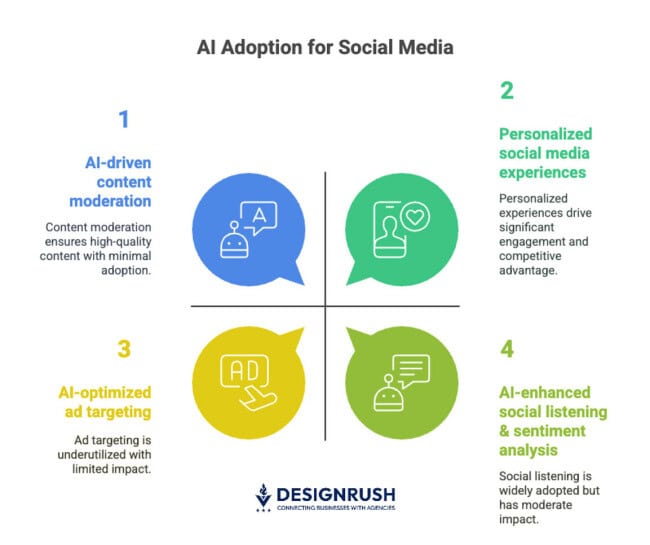
While AI offers clear advantages, its implementation introduces a set of operational, ethical, and strategic challenges that must be managed carefully.
Data Privacy and Compliance
AI relies heavily on user data to generate insights and drive personalization. This raises important concerns around data privacy, consent, and regulatory compliance. Marketers must ensure that their data practices align with applicable laws and platform policies, while also maintaining transparency with users about how their data is being used.
Risk of Over-Automation
Excessive reliance on AI can lead to content that feels generic, repetitive, or disconnected from the brand’s identity. Automation without oversight may also result in inappropriate responses or poorly timed posts. Maintaining a human review layer is essential to ensure that brand voice, tone, and context are preserved.
Implementation Complexity and Cost
Advanced AI tools often require upfront investment, integration with existing systems, and ongoing maintenance. For smaller organizations, this can be a barrier to entry. Additionally, selecting the right tools from a crowded marketplace requires careful evaluation of features, scalability, and compatibility.
Skill Gaps and Training Needs
Effectively leveraging AI requires more than just access to tools—it demands a certain level of analytical and technical understanding. Marketing teams may need to upskill in areas such as data interpretation, tool configuration, and performance analysis to fully realize AI’s potential.
Best Practices for Integrating AI into Your Strategy
To extract meaningful value from AI, organizations should adopt a structured and strategic approach rather than implementing tools in an ad hoc manner.
Start with Clear Objectives
Define specific, measurable goals before introducing AI into your workflow. Whether the objective is to improve engagement rates, reduce customer acquisition costs, or enhance personalization, having clear targets ensures that AI initiatives remain focused and accountable.
Combine AI with Human Creativity
AI should enhance—not replace—human input. Use AI for tasks that require speed, scale, and data processing, while relying on human expertise for storytelling, brand positioning, and creative ideation. This hybrid approach delivers both efficiency and authenticity.
Test, Learn, and Iterate
AI thrives on experimentation. Continuously test different content formats, targeting strategies, and campaign structures. Use AI-generated insights to refine your approach over time, creating a feedback loop that drives continuous improvement.
Choose the Right Tools and Integrations
Select AI solutions that align with your business needs and integrate seamlessly with your existing marketing stack. Consider factors such as ease of use, scalability, data compatibility, and vendor support when making decisions.
Monitor Performance and Maintain Oversight
Even with automation in place, regular monitoring is essential. Review AI-driven outputs, validate insights, and ensure that campaigns align with broader business objectives. Human oversight acts as a safeguard against errors and strategic drift.
The Future of AI in Social Media Marketing
The trajectory of AI in social media marketing points toward deeper integration, greater autonomy, and more sophisticated personalization. As technologies evolve, their role will expand from supporting functions to driving core strategic decisions.
One of the most significant developments will be hyper-personalization at the individual level. AI systems will be capable of tailoring content, messaging, and offers in real time for each user, based on a continuous stream of behavioral data. This will transform social media from a broadcast channel into a highly adaptive, user-centric experience.
Predictive analytics will also become more advanced, enabling marketers to anticipate trends, customer needs, and market shifts with greater accuracy. Instead of reacting to performance data after the fact, brands will be able to make proactive adjustments that improve outcomes before issues arise.
Another emerging area is the integration of AI with immersive technologies such as augmented reality (AR) and virtual reality (VR). This will open up new possibilities for interactive and experiential marketing, allowing users to engage with brands in more meaningful ways directly through social platforms.
Automation will continue to increase, with AI handling more aspects of campaign management—from content distribution to budget allocation—while maintaining alignment with predefined strategic goals. However, this increased autonomy will also require stronger governance frameworks to ensure ethical use and brand consistency.
Ultimately, the future of AI in social media marketing is not just about doing things faster or cheaper—it’s about fundamentally redefining how brands connect with audiences. Those that invest in understanding and adopting these technologies early will be better positioned to lead in an increasingly competitive and data-driven digital landscape.
Final Thoughts
AI is not just another tool in the marketing stack—it represents a structural shift in how social media strategies are conceived, executed, and optimized. What makes AI particularly powerful is its ability to unify multiple functions—data analysis, content creation, targeting, and performance measurement—into a cohesive, continuously improving system. This convergence allows marketers to operate with a level of precision and agility that was previously unattainable.
However, it’s important to approach AI with the right strategic mindset. The most effective implementations are not those that automate everything, but those that intelligently distribute responsibilities between machines and humans. AI excels at processing scale, identifying patterns, and optimizing in real time, but it lacks contextual judgment, cultural nuance, and emotional intelligence. These are areas where human marketers continue to play a critical role. The competitive advantage lies in combining these strengths—using AI for computational efficiency and humans for creative and strategic direction.
Another key consideration is sustainability. Short-term gains from AI—such as quick engagement boosts or rapid content production—can be misleading if they are not aligned with long-term brand equity. Over-optimization, clickbait-style content, or excessive automation can dilute brand voice and erode trust over time. A mature AI-driven strategy prioritizes consistency, authenticity, and value delivery alongside performance metrics.
Organizations should also recognize that AI adoption is not a one-time implementation but an ongoing capability-building process. Models need to be trained, data pipelines must be maintained, and strategies should evolve as platforms and user behaviors change. This requires not only investment in tools but also in talent—marketers who understand how to interpret AI outputs, question assumptions, and make informed decisions based on data.
From a competitive standpoint, the gap between AI-enabled and non-AI-enabled marketing teams is widening. Early adopters are already benefiting from compounding advantages: better data leads to better insights, which lead to better campaigns, which in turn generate more high-quality data. This feedback loop creates a defensible edge that becomes increasingly difficult for competitors to replicate without similar capabilities.
Looking ahead, the role of AI will only deepen. As algorithms become more sophisticated, we can expect more autonomous campaign management, real-time personalization at the individual level, and tighter integration across marketing channels. Social media will become less about broadcasting messages and more about orchestrating dynamic, data-informed experiences tailored to each user.
In practical terms, the takeaway is clear: AI should be treated as a strategic partner embedded within your marketing infrastructure. Start with targeted use cases—such as audience segmentation or ad optimization—then expand as your team builds confidence and competence. Maintain strong governance around data usage and brand consistency, and continuously evaluate performance not just in terms of metrics, but in terms of business outcomes.
Ultimately, the brands that will succeed are those that do not chase AI as a trend, but integrate it as a core capability. When implemented thoughtfully, AI doesn’t replace marketing intuition—it amplifies it, enabling smarter decisions, stronger customer relationships, and sustained growth in an increasingly competitive digital environment.