
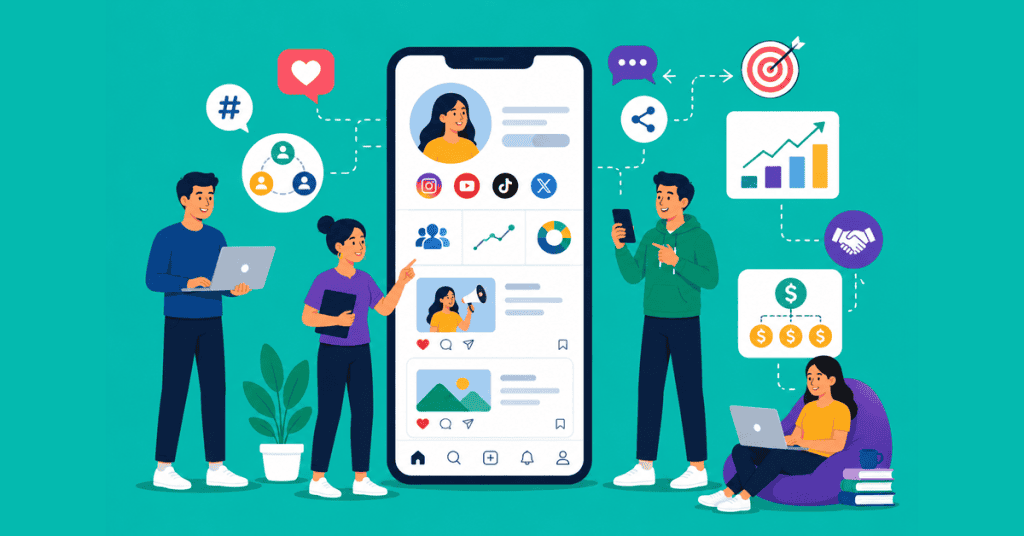

Affiliate marketing has evolved significantly over the past decade. What was once a simple process of placing affiliate links on websites has transformed into a sophisticated marketing strategy driven by trust, influence, and audience relationships. Today, consumers are exposed to countless advertisements and promotional messages every day, making them increasingly selective about whose recommendations they follow. As a result, building a personal brand on social media has become one of the most effective ways to stand out in the crowded affiliate marketing landscape.
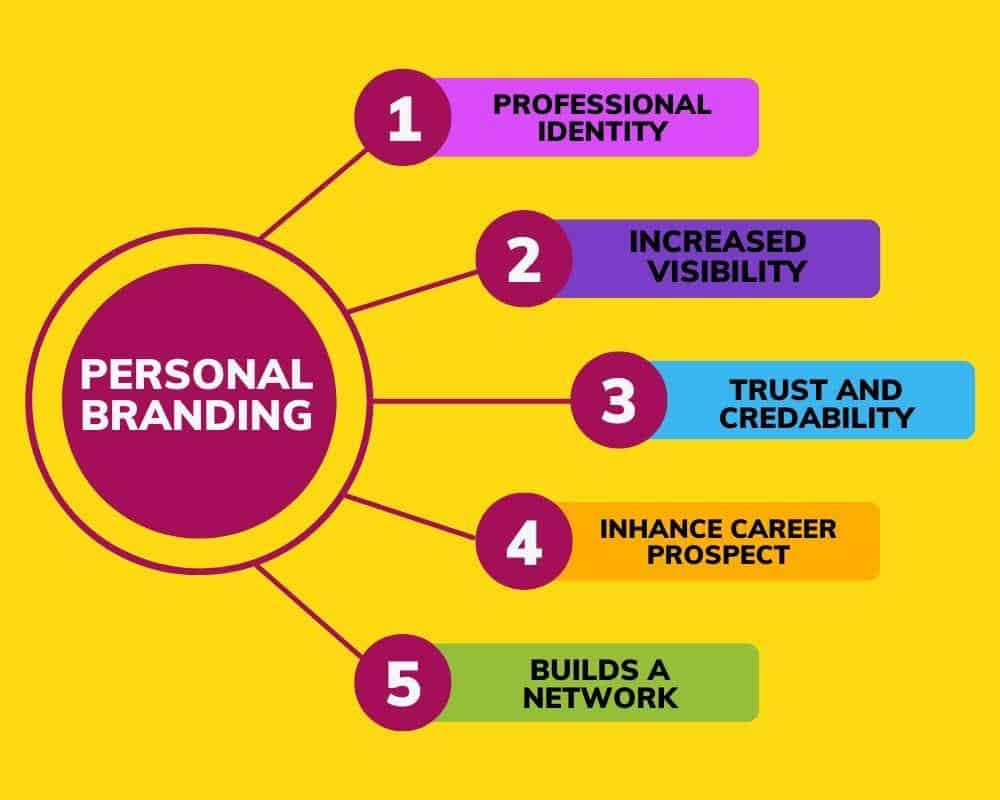
A personal brand is the unique identity and reputation you establish online through your content, expertise, values, and interactions. Unlike traditional advertising, personal branding focuses on creating genuine connections with audiences. When people trust your knowledge and appreciate the value you consistently provide, they are far more likely to engage with your recommendations and affiliate offers. Instead of chasing sales directly, you build credibility that naturally drives conversions over time.
For affiliate marketers, social media offers a powerful opportunity to establish authority, grow an audience, and create a sustainable source of income. Whether you promote software tools, online courses, financial products, or e-commerce brands, a strong personal brand can significantly improve your affiliate marketing results. The key lies in understanding how to position yourself, create meaningful content, and develop lasting relationships with your audience.
Understanding the Connection Between Personal Branding and Affiliate Marketing
Affiliate marketing succeeds when audiences trust the person making the recommendation. While many marketers focus heavily on traffic generation and promotional tactics, trust remains the true driver of conversions. People are far more likely to purchase a product when it is recommended by someone they perceive as knowledgeable, honest, and experienced.
A personal brand serves as the bridge between an affiliate marketer and their audience. Rather than appearing as an anonymous promoter, you become a recognizable individual with expertise in a particular niche. This familiarity creates a sense of confidence that traditional advertisements often fail to achieve. When followers repeatedly receive valuable insights from you, they begin to associate your name with reliability and quality information.
The impact of personal branding extends beyond immediate affiliate sales. A strong brand helps attract new followers, encourages audience engagement, and creates opportunities for partnerships and collaborations. It transforms affiliate marketing from a transaction-based activity into a relationship-driven business model. Over time, this approach leads to greater audience loyalty and more consistent revenue generation.
Choosing a Niche That Aligns With Your Expertise
One of the most important decisions in building a personal brand is selecting a niche. Many aspiring affiliate marketers make the mistake of trying to appeal to everyone. They create content on multiple unrelated topics, hoping to maximize their audience reach. Unfortunately, this often results in weak positioning and a lack of authority.
A focused niche allows you to establish yourself as a trusted source of information within a specific industry or subject area. Whether your interest lies in digital marketing, entrepreneurship, artificial intelligence, fitness, personal finance, travel, or productivity tools, choosing a niche helps define your audience and content strategy. People are more likely to follow and trust someone who demonstrates deep knowledge in a particular area than someone who discusses a wide range of unrelated topics.
Your niche should ideally sit at the intersection of expertise, passion, and market demand. It should be broad enough to provide ongoing content opportunities yet focused enough to differentiate you from competitors. Selecting the right niche also ensures that affiliate products feel relevant and valuable to your audience. When your recommendations align naturally with your content, promotional efforts become more effective and authentic.
Defining Your Personal Brand Identity
Once you have selected a niche, the next step is creating a clear personal brand identity. Your brand identity is the overall impression people have when they encounter your content. It encompasses your positioning, communication style, visual presentation, and core message.
Effective personal brands communicate a clear value proposition. Followers should immediately understand who you are, what you specialize in, and why they should pay attention to your content. A strong positioning statement might focus on helping entrepreneurs grow their businesses, teaching professionals how to use AI tools, or sharing actionable digital marketing strategies. Clarity is essential because confused audiences rarely become loyal followers.
Consistency also plays a major role in brand identity. Your profile images, color schemes, content formats, and messaging should remain relatively uniform across platforms. This consistency improves recognition and reinforces your professional image. Equally important is your voice. Whether you adopt an educational, analytical, motivational, or conversational style, maintaining a consistent tone helps audiences feel familiar with your brand and strengthens trust over time.
Creating Valuable Content That Builds Authority
Content serves as the foundation of personal branding. Without valuable content, it is nearly impossible to attract followers, establish credibility, or influence purchasing decisions. The most successful affiliate marketers understand that audiences follow them for insights and solutions rather than promotions.
Educational content is particularly effective for building authority. Tutorials, case studies, industry analyses, practical tips, and problem-solving guides demonstrate expertise while providing immediate value to followers. Every piece of content should aim to help the audience learn something new, overcome a challenge, or achieve a specific goal. When followers consistently benefit from your content, they begin to view you as an authority within your niche.
Consistency in content creation is equally important. Publishing valuable content regularly helps maintain audience engagement and increases visibility on social media platforms. While viral posts can generate temporary attention, long-term authority is built through sustained effort. Over time, a library of high-quality content becomes a powerful asset that continuously attracts new followers and reinforces your expertise.
Leveraging Social Media Platforms Strategically
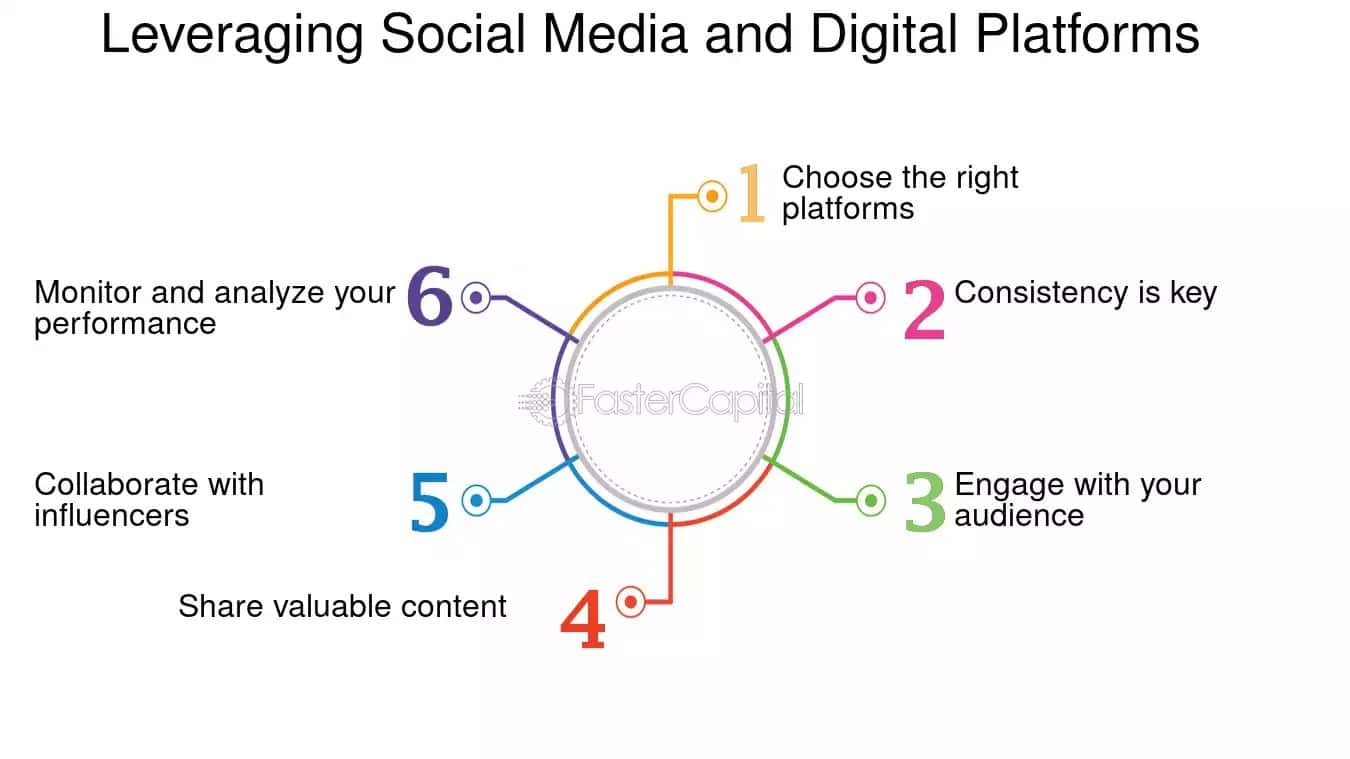
Different social media platforms serve different purposes, and understanding their strengths is essential for effective personal branding. Rather than attempting to dominate every platform, affiliate marketers should focus on the channels most relevant to their audience and content style.
LinkedIn is particularly valuable for professionals promoting business-related products and services. The platform rewards educational content, industry insights, and thought leadership. It is especially effective for SaaS affiliates, consultants, and B2B marketers seeking to establish authority within professional communities.
YouTube offers one of the strongest environments for affiliate marketing because it allows creators to provide detailed product reviews, tutorials, and demonstrations. Video content helps build trust by allowing audiences to see your personality, expertise, and genuine product experiences. Since viewers often search for solutions on YouTube, the platform can generate highly targeted affiliate traffic.
Instagram and TikTok excel at visual storytelling and short-form educational content. These platforms are ideal for engaging audiences through relatable experiences, behind-the-scenes content, and quick tips. Meanwhile, X provides opportunities to share insights, participate in industry conversations, and connect with influential professionals. Choosing platforms strategically allows you to maximize impact while maintaining manageable content production demands.
Building Trust Through Authenticity and Transparency
Trust is the most valuable currency in affiliate marketing, and authenticity is one of the most effective ways to earn it. Modern audiences are highly skeptical of exaggerated claims and overly promotional content. They want honest perspectives rather than polished sales pitches.
Authenticity begins with sharing genuine experiences. Instead of presenting an unrealistic image of constant success, discuss challenges, lessons learned, and personal insights. This approach makes your content more relatable and helps followers connect with you on a deeper level. People tend to trust individuals who appear honest about both successes and failures.
Transparency is especially important when promoting affiliate products. Clearly disclose affiliate relationships and explain why you recommend a particular product. Rather than focusing solely on benefits, acknowledge limitations and discuss who the product is best suited for. Balanced recommendations demonstrate integrity and reinforce your credibility. In many cases, transparent reviews convert better than aggressively positive endorsements because they feel more trustworthy to audiences.
Building a Community Instead of Just an Audience
Many social media creators focus heavily on increasing follower counts, believing that a larger audience automatically translates into greater affiliate revenue. While audience growth is important, the quality of relationships often matters more than the quantity of followers. A highly engaged community of a few thousand people can generate significantly better affiliate marketing results than a passive audience of hundreds of thousands.
Community building involves creating meaningful interactions with followers. Responding to comments, answering questions, participating in discussions, and acknowledging audience feedback all contribute to stronger relationships. Social media should not be viewed as a one-way broadcasting platform where content is simply pushed to followers. Instead, it should function as a space for conversations and mutual value creation.
As your audience begins to trust you, they become more likely to engage with your recommendations and share your content with others. This creates a positive cycle where engagement increases visibility, visibility attracts new followers, and stronger relationships improve affiliate conversions. Over time, community-driven growth becomes one of the most sustainable methods of building influence and generating affiliate income.
Using Storytelling to Make Recommendations More Persuasive
People naturally connect with stories more than facts, statistics, or product features. Storytelling helps transform affiliate promotions into engaging narratives that audiences can relate to and remember. Rather than simply stating that a product is useful, effective storytellers demonstrate how that product solved a real problem or improved a specific outcome.
For example, instead of promoting a project management tool by listing its features, you might share a story about how disorganized workflows were causing missed deadlines and how implementing the software improved team productivity. This approach allows audiences to see themselves in the story and understand the practical value of the recommendation.
Storytelling also humanizes your personal brand. It gives followers insight into your experiences, challenges, and decision-making processes. As a result, affiliate promotions feel less like advertisements and more like genuine recommendations based on personal experience. Effective storytelling builds emotional connections while simultaneously increasing trust and engagement.
Choosing the Right Affiliate Networks and Products
Not every affiliate network or product deserves a place within your personal brand. One of the fastest ways to damage credibility is by promoting low-quality products that fail to meet audience expectations. While high commissions may seem attractive, long-term success depends on maintaining trust rather than maximizing short-term earnings.
Before promoting any affiliate offer, take the time to evaluate the product thoroughly. Consider factors such as product quality, customer support, user reviews, market reputation, and overall value. Whenever possible, use the product yourself so you can provide authentic insights based on personal experience. First-hand knowledge not only improves content quality but also helps answer audience questions more effectively.
The best affiliate partnerships align naturally with your niche and audience interests. Businesses that want greater control over branding, customer data, and long-term growth often invest in professional online store development services from providers like CS-Cart to build scalable eCommerce experiences that support both direct sales and affiliate-driven traffic. If your brand focuses on entrepreneurship, promoting business software, productivity tools, and educational resources will feel relevant and helpful. When recommendations are closely connected to audience needs, affiliate marketing becomes a natural extension of your content strategy rather than an interruption.
Developing a Consistent Content Strategy
Consistency is one of the most important factors in personal brand growth. Many aspiring creators start strong but struggle to maintain momentum over time. Irregular posting schedules make it difficult to build audience expectations and can slow brand development significantly.
Creating a content strategy helps ensure consistent output. This strategy should include content pillars that define the main topics you discuss. For example, an affiliate marketer focused on digital business might create content around entrepreneurship, marketing, productivity, artificial intelligence, and software reviews. Having clearly defined pillars makes content planning easier and ensures that posts remain aligned with your brand.
Consistency does not necessarily mean posting multiple times every day. What matters most is maintaining a schedule that you can realistically sustain over the long term. Regular posting keeps your audience engaged and increases opportunities for discovery through platform algorithms. Over months and years, consistent content creation compounds into significant brand authority and audience growth.
Building an Email List to Strengthen Your Brand
While social media platforms are excellent for attracting attention, they are ultimately owned by third parties. Algorithm changes, policy updates, and platform disruptions can significantly affect your ability to reach followers. This is why successful affiliate marketers often prioritize building an email list alongside their social media presence.
An email list gives you direct access to your audience without relying on social platform algorithms. It allows you to communicate more personally and nurture relationships over time. Many marketers use lead magnets such as guides, admin templates, checklists, webinars, or mini-courses to encourage followers to subscribe.
Email marketing also tends to produce strong affiliate marketing results because subscribers have already demonstrated a higher level of interest and trust. By consistently delivering valuable content through email, you can deepen relationships and create additional opportunities to recommend relevant affiliate products. The combination of social media reach and email ownership provides a powerful foundation for long-term business growth.
Measuring Brand Performance and Optimizing Results
Building a personal brand should be approached strategically rather than relying solely on intuition. Tracking performance metrics helps identify what is working and where improvements can be made. Effective measurement allows affiliate marketers to optimize content, increase engagement, and improve conversion rates over time.
Audience growth is one important indicator of brand visibility. Monitoring follower increases across platforms helps evaluate whether your content is attracting new people. However, engagement metrics often provide even more valuable insights. Comments, shares, saves, direct messages, and discussion participation reveal how strongly audiences connect with your content.
Affiliate-specific metrics are equally important. Tracking click-through rates, conversion rates, and revenue generated from different content types can reveal which strategies are producing the best results. Data-driven decision-making allows marketers to refine their approach continuously and focus resources on the activities that generate the highest return on investment.
Common Mistakes That Can Damage Your Personal Brand
Building a personal brand takes time, but it can be weakened surprisingly quickly through poor decisions. One of the most common mistakes is prioritizing commissions over audience value. Followers can often recognize when recommendations are driven purely by financial incentives rather than genuine belief in a product. This perception can erode trust and reduce engagement.
Another common mistake is promoting too many products simultaneously. Excessive promotion can make content feel cluttered and reduce the perceived authenticity of recommendations. Audiences generally respond better when creators focus on a smaller number of trusted products that genuinely align with their expertise.
Inconsistency is another significant challenge. Frequently changing niches, posting sporadically, or constantly shifting messaging can confuse followers and weaken brand positioning. Likewise, neglecting audience engagement can make social media interactions feel impersonal and transactional. Avoiding these mistakes helps preserve credibility and supports long-term brand growth.
Future of Personal Branding in Affiliate Marketing
The importance of personal branding in affiliate marketing is expected to increase as digital competition continues to grow. Consumers have access to more information than ever before, yet they often struggle to determine which sources are trustworthy. In this environment, credible personal brands serve as valuable filters that help audiences make informed decisions.
The rise of artificial intelligence and automated content generation is likely to make authenticity even more important. While technology can assist with content creation, it cannot fully replicate genuine experiences, personal insights, and human relationships. Audiences will continue seeking creators who provide context, expertise, and honest recommendations rather than generic promotional content.
As social media platforms evolve, marketers who prioritize trust, education, and community building will be best positioned for success. Personal brands that consistently deliver value will remain influential regardless of changing algorithms or emerging technologies. This makes personal branding one of the most resilient and future-proof strategies available to affiliate marketers.
Conclusion
Building a personal brand on social media is one of the most effective ways to promote affiliate networks and create sustainable affiliate income. In a digital environment where consumers are constantly exposed to advertisements and promotional content, trust has become the key factor that influences purchasing decisions.
By choosing a focused niche, creating valuable content, demonstrating expertise, and engaging authentically with followers, affiliate marketers can establish themselves as credible voices within their industries. This credibility makes affiliate recommendations feel helpful and relevant rather than purely promotional.
Success in affiliate marketing is no longer just about generating clicks; it is about building relationships. Audiences are far more likely to act on recommendations from creators they trust and consistently learn from.
Marketers who prioritize transparency, community engagement, and genuine value creation can develop loyal audiences that support long-term growth. As social media and affiliate marketing continue to evolve, a strong personal brand will remain one of the most valuable assets for attracting opportunities, increasing conversions, and building a sustainable online business.