


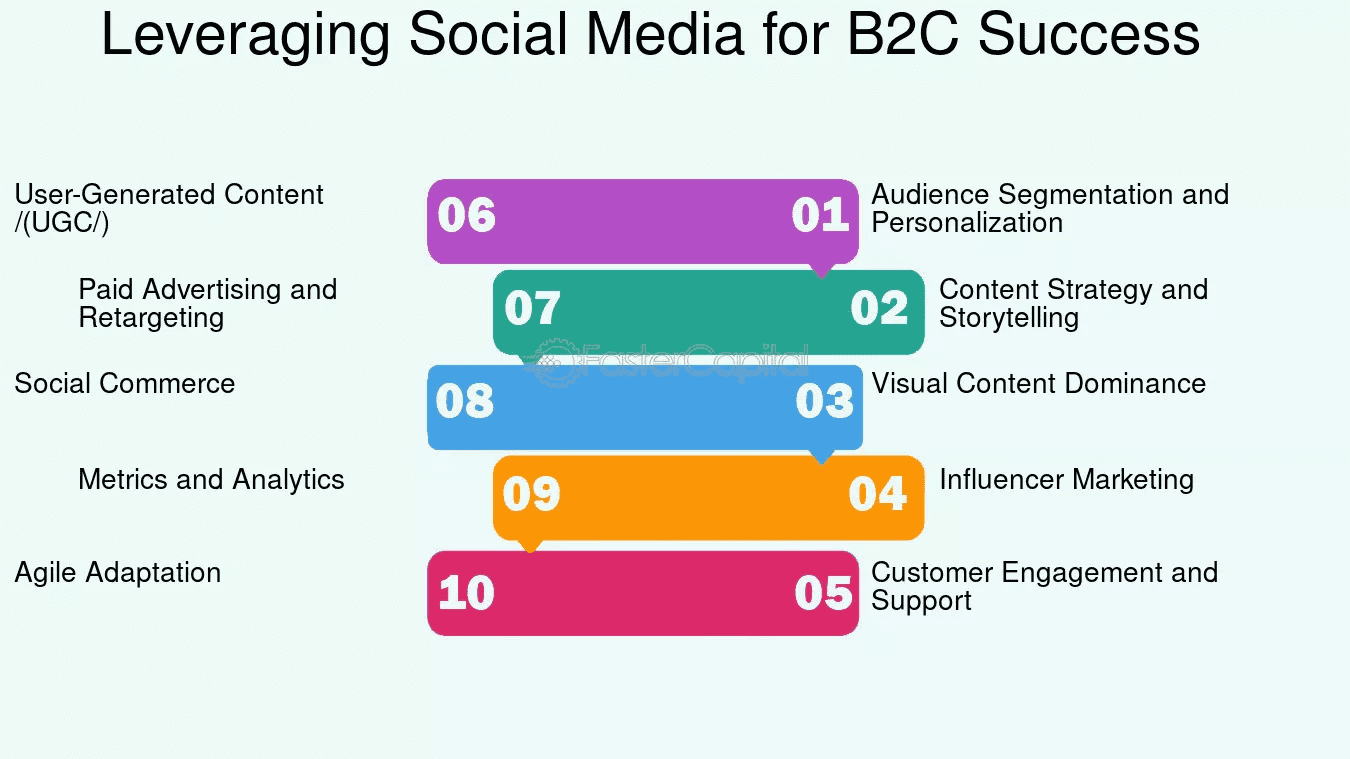
In today’s digital-first world, social media is no longer optional for consumer brands—it is essential. When we talk about B2C social media strategies: The ultimate guide., we are discussing the blueprint that helps businesses connect directly with customers in meaningful and profitable ways. Consumers now discover brands through Instagram feeds, TikTok videos, and Facebook recommendations before ever visiting a website. Social media has become the new storefront.
Attention spans are shorter than ever. Competition is intense. Brands that fail to adapt quickly lose visibility. However, businesses that understand how to combine creativity with strategy can build loyal communities and drive impressive revenue growth. Social media is not just about posting attractive images. It involves data analysis, storytelling, platform mastery, paid advertising, and constant optimization.
In 2026, successful B2C brands focus on building relationships rather than pushing products. They listen to their audience, respond quickly, and provide consistent value. This guide explores every major component you need to create a winning strategy that converts followers into long-term customers.
Understanding the Core of B2C Social Media Marketing
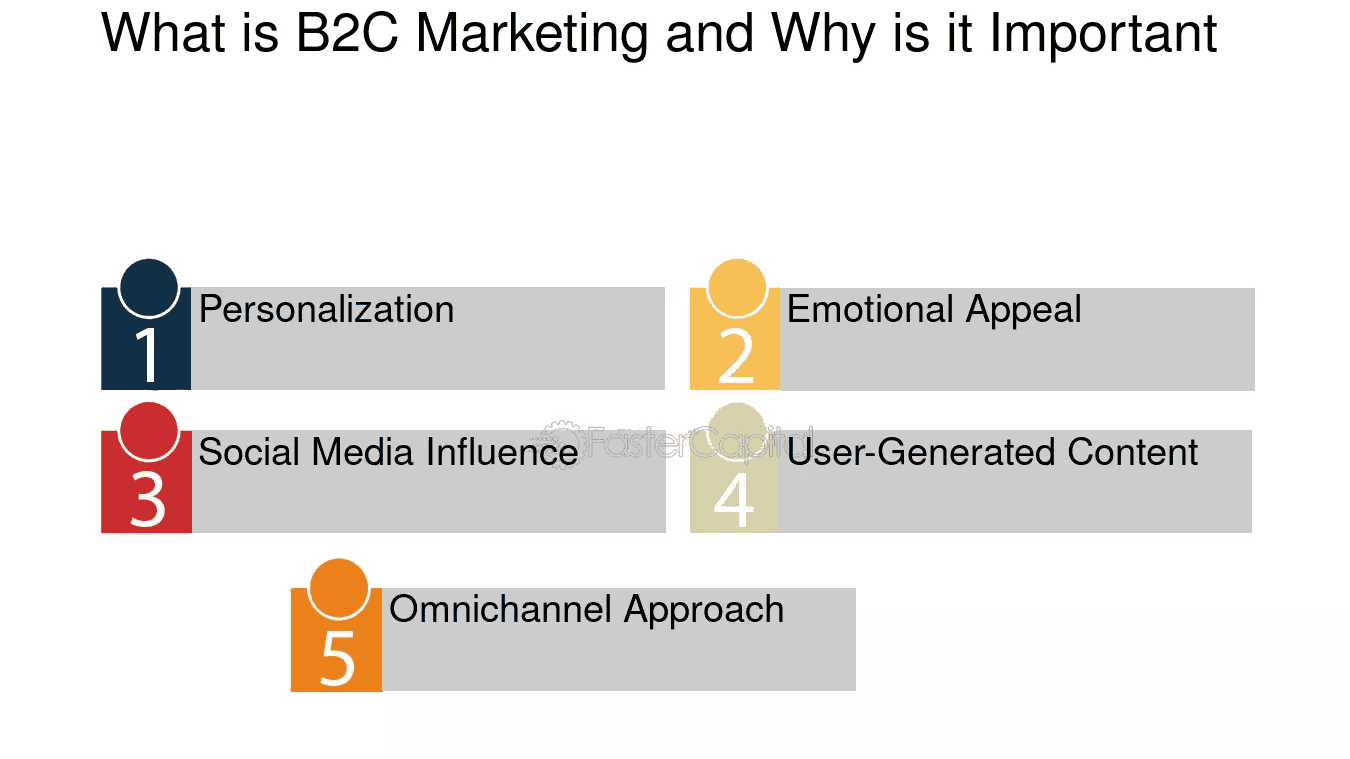
B2C social media marketing refers to strategies used by businesses that sell directly to individual consumers rather than other businesses. Unlike corporate marketing, which may rely heavily on logic and long sales cycles, B2C marketing appeals to emotion, impulse, and lifestyle aspirations. Consumers make quick decisions based on how a product makes them feel.
In B2C, the purchase journey is often short. A consumer may see a product in a Reel, read a few comments, and make a purchase within minutes. Because of this fast decision-making process, brands must create content that grabs attention immediately and builds trust quickly. Visual appeal plays a significant role. High-quality video ads, vibrant photos, and relatable messaging are crucial.
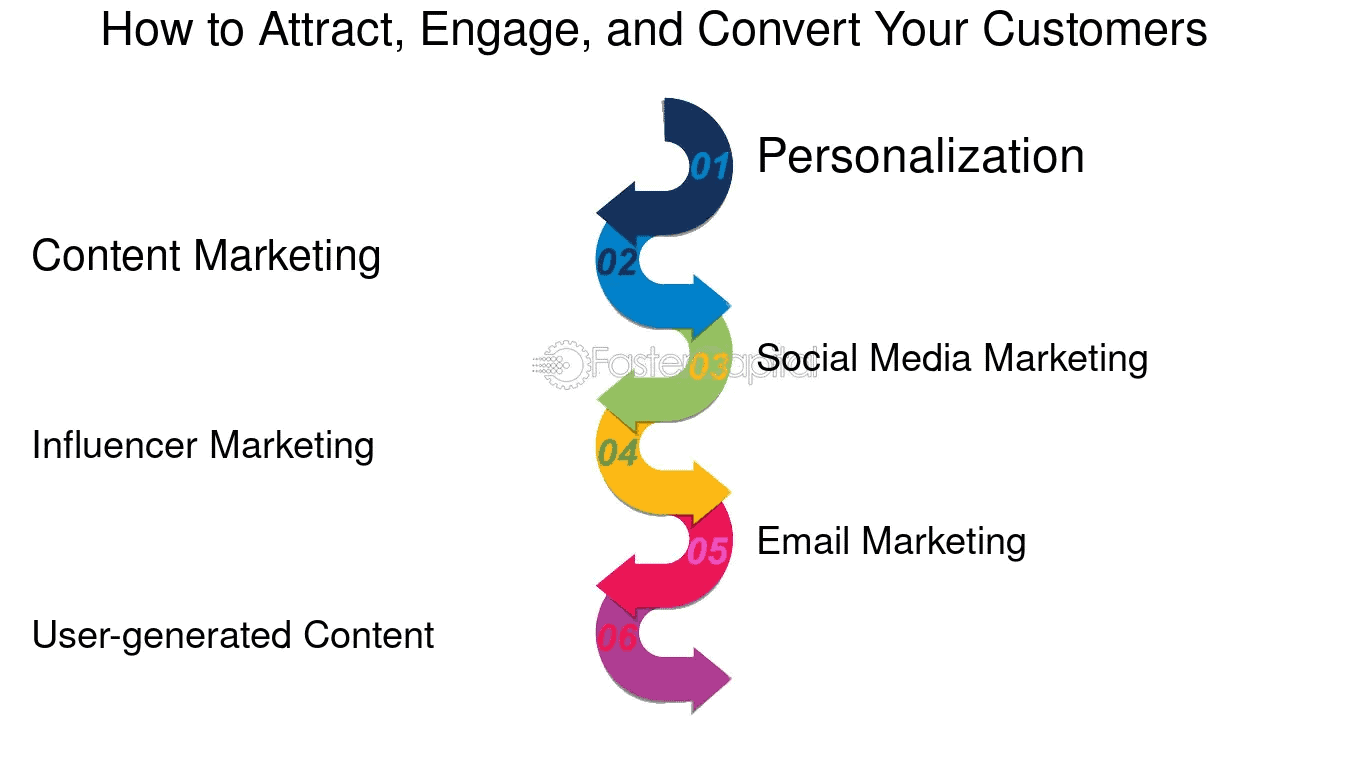
Another defining characteristic of B2C marketing is personalization. Modern consumers expect tailored recommendations and relevant offers. Social platforms provide advanced targeting tools that allow brands to deliver specific content to different audience segments. When executed correctly, B2C social media marketing becomes a powerful engine for customer acquisition, brand loyalty, and repeat sales.
How B2C Differs from B2B on Social Media
Although both B2C and B2B use social media platforms, their strategies differ significantly in tone, objectives, and content style. B2C marketing is typically more casual, emotional, and visually driven. It focuses on entertainment, inspiration, and quick engagement. B2B marketing, in contrast, is more educational and logic-based, often emphasizing data, industry expertise, and long-term partnerships.
In B2C environments, brands communicate directly with individuals who are making personal buying decisions. This requires relatable language and human-centered storytelling. Consumers respond to authenticity and transparency. Humor, trending audio clips, and interactive content often perform well in B2C settings.
The sales cycle is another key difference. B2C purchases can happen instantly, especially with social commerce features. B2B sales usually require consultations, proposals, and multiple approvals. Therefore, B2C social media strategies must prioritize quick impact and easy calls-to-action. Understanding these differences ensures that your content resonates with the right audience and aligns with your business model.
Setting Clear Objectives for Your Strategy
A successful social media presence begins with clearly defined objectives. Without goals, content creation becomes random and inconsistent. Every B2C brand must determine what they want to achieve before developing campaigns. Objectives may include increasing brand awareness, generating leads, boosting website traffic, or driving direct sales.
For example, if your primary goal is awareness, your content should focus on reach and shareability. Short-form videos and trending content are highly effective in expanding visibility. If conversions are your goal, product demonstrations, testimonials, and limited-time offers should be prioritized.
Clear objectives also allow you to measure success accurately. When you define key performance indicators such as engagement rate or conversion rate, you can evaluate what works and adjust accordingly. A focused strategy ensures that every post serves a purpose. Instead of posting randomly, you create content that aligns with long-term business growth. Setting clear goals transforms social media from a hobby into a structured marketing system.
Knowing Your Target Audience Deeply
Understanding your target audience is the foundation of any effective strategy. You cannot create compelling content if you do not know who you are speaking to. Building detailed buyer personas helps identify your ideal customer’s age, interests, challenges, motivations, and online behavior.
Research is essential. Analyze your current customer data, study competitors, and use analytics tools to uncover patterns. Pay attention to comments, direct messages, and customer reviews. These insights reveal what your audience values and what problems they want solved.
Deep audience knowledge allows you to tailor your messaging. For example, younger consumers may prefer fast-paced videos and humor, while older audiences may appreciate educational content and detailed explanations. Personalization increases engagement because followers feel understood. When consumers believe a brand truly “gets” them, trust grows naturally. Trust leads to loyalty, and loyalty leads to consistent revenue. Investing time in audience research pays long-term dividends.
Choosing the Right Social Media Platforms
Not every platform suits every brand. Selecting the right channels ensures that your content reaches the audience most likely to convert. Instagram and TikTok are powerful for visually appealing products such as fashion, beauty, and lifestyle items. Facebook remains valuable for community building and targeted advertising. Pinterest works exceptionally well for home décor, recipes, and creative inspiration.
It is better to dominate two or three platforms rather than spreading yourself thin across all of them. Each platform has its own algorithm, content style, and audience expectations. For example, TikTok favors short, entertaining videos, while YouTube supports longer educational content.
Platform selection should align with your audience research. If your ideal customers spend most of their time on Instagram, prioritize that platform. Consistency and quality matter more than quantity. By focusing on the right channels, you increase efficiency, reduce burnout, and maximize return on investment.
Content Strategy: The Foundation of Success
A well-defined content strategy provides structure and direction. Instead of posting randomly, you follow a content plan that balances value, engagement, and promotion. Many successful brands use the 70-20-10 rule: 70% value-based content, 20% interactive content, and 10% promotional material.
Value content includes tips, tutorials, and educational posts that help your audience. Interactive content involves polls, quizzes, and questions that encourage participation. Promotional posts focus on products, discounts, or special offers.
Consistency is key. Develop a content calendar and schedule posts in advance. Planning ensures that your messaging remains cohesive and aligned with your brand identity. A strong content strategy reduces stress, increases creativity, and improves overall performance. As brands scale across multiple platforms, managing content scheduling, community engagement, reporting, and daily operational tasks can quickly become overwhelming. Many growing companies choose to hire a virtual assistant to handle these execution-heavy responsibilities, allowing their internal team to stay focused on strategy, storytelling, and performance optimization. When executed properly, it becomes the engine that drives sustainable growth.
The Power of Storytelling in B2C Marketing
Storytelling transforms ordinary products into meaningful experiences. Instead of simply listing product features, successful B2C brands tell stories that connect emotionally with their audience. These stories may involve customer transformations, behind-the-scenes journeys, or founder experiences.
For example, rather than saying “Our shoes are comfortable,” a brand might share a story about a marathon runner who achieved a personal milestone wearing those shoes. Stories create relatability and inspire action.
Human brains are wired to remember stories more than statistics. When you combine visual content with compelling narratives, engagement increases significantly. Storytelling also builds authenticity. Consumers appreciate brands that show transparency and vulnerability. By consistently sharing real stories, you strengthen emotional bonds and encourage long-term loyalty.
Influencer Marketing: A Game-Changer
Influencer marketing has become one of the most effective tools in B2C social media strategies. Influencers already have established trust with their audiences. When they recommend a product, followers are more likely to consider purchasing.
Micro-influencers, typically with 10,000 to 100,000 followers, often generate higher engagement rates than larger influencers. Their audiences view them as relatable and authentic. Macro-influencers, on the other hand, provide broader reach and greater brand visibility.
Selecting the right influencer is critical. Look for alignment in values, audience demographics, and content style. Authentic collaborations outperform scripted promotions. Encourage influencers to share genuine experiences rather than forced advertisements. When done strategically, influencer partnerships can significantly increase brand awareness and sales.
Tip: Use affiliate platforms, like ReferralCandy, and offer affiliates rewards when they successfully refer new customers to your brand.
Leveraging Paid Advertising for Faster Results
Organic reach alone may not deliver consistent growth. Paid advertising accelerates results by targeting specific audiences with precision. Platforms like Facebook and Instagram offer advanced targeting options based on interests, behaviors, and demographics.
Paid ads allow retargeting of users who visited your website but did not purchase. This significantly increases conversion rates. Start with small budgets and test multiple creatives. Analyze performance data to identify winning campaigns before scaling.
Paid advertising is not about spending more money—it is about spending wisely. When combined with strong organic content, paid campaigns amplify reach and drive measurable growth. Smart budgeting and consistent optimization make advertising a powerful addition to your strategy.
Building Community Over Just Followers
Having thousands of followers means little if they are not engaged. Community building focuses on creating meaningful interactions rather than chasing vanity metrics. Responding to comments, answering questions, and hosting live sessions show that your brand values its audience.
Encourage discussions and feedback. Create spaces where customers feel comfortable sharing opinions and experiences. Loyal communities often become brand advocates, promoting your products voluntarily.
Community-driven brands experience stronger retention rates and higher customer lifetime value. When followers feel emotionally connected, they are more likely to purchase repeatedly and recommend your brand to others. In the long run, community is more valuable than temporary viral success.
The Role of User-Generated Content (UGC)
User-generated content builds instant credibility. When real customers share photos or reviews, it provides powerful social proof. Encourage customers to tag your brand and share their experiences. Repost their content with permission to showcase authenticity.
UGC reduces skepticism because consumers trust peer recommendations more than brand advertisements. Featuring customer testimonials in posts or stories reinforces reliability.
Additionally, UGC reduces content creation pressure. Your community contributes valuable material that strengthens engagement. By consistently highlighting customer voices, you foster trust and deepen relationships. Social proof remains one of the most persuasive marketing tools available.
Using Data to Optimize Your Strategy
Regularly analyze metrics such as engagement rate, click-through rate, and conversion rate. These insights reveal which content resonates most with your audience. To ensure this social engagement translates into wider discovery, many brands now leverage AI tracking tools to monitor how their social presence influences their visibility in AI search rankings and brand recommendations. This holistic view ensures you aren’t simply gaining followers, but capturing the entire modern search journey.
Avoid focusing solely on vanity metrics like follower count. Instead, measure actions that contribute to business growth. If certain posts consistently outperform others, replicate their structure and format.
Optimization should be ongoing. Social media algorithms change frequently. Continuous testing ensures that your strategy remains effective. By reviewing analytics weekly and adjusting monthly, you maintain momentum and improve long-term results.
Trends Shaping B2C Social Media in 2026
The social media landscape evolves rapidly. Short-form video continues to dominate, capturing attention quickly and effectively. Social commerce allows users to purchase products directly within apps, reducing friction in the buying process.
Authenticity has become increasingly important. Consumers prefer raw, real content over highly polished advertisements. Transparency builds trust and strengthens brand reputation.
Artificial intelligence also plays a growing role in personalization and content recommendations. Brands that adapt to emerging trends gain competitive advantages. Staying informed and flexible ensures continued relevance in a dynamic environment.
Common Mistakes to Avoid
Many brands struggle due to avoidable mistakes. Posting without a strategy leads to inconsistent messaging. Ignoring analytics prevents improvement. Over-promotion drives followers away.
Inconsistency in branding creates confusion. Chasing every trend without alignment dilutes identity. Failing to engage with followers weakens relationships.
Avoiding these pitfalls requires discipline and clarity. Develop guidelines for tone, visuals, and messaging. Monitor performance regularly. Stay focused on your long-term objectives rather than short-term popularity. Smart strategy prevents wasted effort.
Creating a Monthly B2C Social Media Plan
Planning content monthly ensures organization and consistency. Divide your calendar into themes or campaigns. Allocate specific days for educational posts, engagement activities, and promotional content.
For example, week one could focus on brand awareness, week two on influencer collaboration, week three on testimonials, and week four on promotions. Leave space for trending opportunities and seasonal events.
A structured plan reduces stress and increases productivity. It also ensures balanced messaging throughout the month. Preparation allows you to maintain high-quality content without last-minute pressure.
Integrating Social Media with Your Sales Funnel
Social media should align with your overall sales funnel. At the awareness stage, create engaging videos and viral content. In the consideration stage, provide testimonials and product demonstrations. At the conversion stage, use limited-time offers and retargeting ads.
This structured approach guides potential customers smoothly through their buying journey. Instead of hoping for random purchases, you intentionally nurture prospects from discovery to decision.
Integration ensures that your efforts support broader business objectives. Social media becomes a strategic asset rather than an isolated channel.
Measuring ROI and Long-Term Growth
Return on investment extends beyond immediate sales. Evaluate metrics such as customer lifetime value, repeat purchases, and brand mentions. These indicators reveal long-term impact.
Consistent growth requires patience. Focus on sustainable strategies rather than short-lived trends. By combining creativity, data, and community engagement, you build a strong digital presence.
Ultimately, mastering B2C social media strategies: The ultimate guide. empowers brands to thrive in competitive markets. With clear objectives, audience understanding, and consistent optimization, sustainable success becomes achievable.
Conclusion: Mastering B2C Social Media Strategies
To succeed in today’s competitive market, you must treat social media as a strategic growth engine—not just a posting platform.
This comprehensive breakdown of B2C social media strategies: The ultimate guide. shows that winning brands focus on:
- Audience understanding
- Emotional storytelling
- Consistent value
- Community building
- Data-driven optimization
Social media success doesn’t happen overnight. But with the right strategy, patience, and testing, explosive brand growth is absolutely possible.
Now it’s your turn.
Build smart. Engage deeply. Optimize constantly. And watch your brand thrive.