


Social media has evolved into one of the most competitive marketplaces in the world. Every scroll presents users with dozens—sometimes hundreds—of products, brands, and messages competing for attention. In this saturated environment, simply “being present” on platforms like Instagram, LinkedIn, TikTok, or Facebook is no longer enough. Visibility without differentiation leads to invisibility.
To stand out, brands must move beyond generic posting and embrace strategic storytelling, audience-centric content, and platform-native creativity. This article expands each core principle in depth, offering a comprehensive framework for building product visibility and engagement in a crowded digital ecosystem.
Understanding the Attention Economy
The attention economy is the foundational concept behind social media performance. Unlike traditional advertising channels where audiences are relatively captive, social media users are in control. They decide what to engage with, what to ignore, and what to scroll past within milliseconds.
This makes attention not just scarce, but highly volatile. A user may pause on your content one day and ignore it the next if it fails to deliver immediate value. Therefore, your content must consistently justify its presence in the feed.
To succeed, brands need to internalize that they are not just competing with direct competitors. They are competing with entertainment creators, news outlets, influencers, and even personal updates from friends and family. This broad competition raises the bar significantly.
Winning attention requires understanding behavioral triggers. Content that performs well often introduces a pattern interrupt—something visually or contextually different from the surrounding posts. It may be a bold statement, an unexpected visual, or a relatable insight that resonates instantly.
Ultimately, attention is earned, not given. Brands that treat every post as an opportunity to earn that attention—rather than assume it—consistently outperform those that rely on passive visibility.
Build a Distinct Brand Identity
A strong brand identity acts as a shortcut for recognition and trust. In fast-scrolling environments, users rarely analyze content deeply before deciding whether to engage. Instead, they rely on visual and tonal cues to quickly assess familiarity and relevance.
Visual identity plays a critical role here. Consistent use of colors, typography, and layout creates a recognizable pattern. Over time, users begin associating that pattern with your brand, even before consciously processing the content itself. This reduces cognitive load and increases the likelihood of engagement.
Equally important is your brand voice. Tone should not fluctuate randomly based on the type of post or the person creating it. Whether your brand communicates with humor, authority, minimalism, or boldness, that tone must remain coherent across all touchpoints.
A distinct identity also requires intentional differentiation. If your content looks interchangeable with competitors, it becomes invisible. This often happens when brands rely too heavily on industry templates or mimic trending formats without adapting them.
To build a strong identity, brands must document and operationalize their guidelines. This includes defining visual systems, tone of voice, messaging frameworks, and content boundaries. When executed consistently, this identity becomes a competitive advantage that compounds over time.
Focus on Audience, Not Product
One of the most persistent mistakes in social media marketing is treating platforms as distribution channels for product-centric messaging. While showcasing your product is important, making it the sole focus limits engagement and reduces relatability.
Social media users are not actively searching for products most of the time. Group buying campaigns work especially well on social media because users are more likely to engage with community-driven offers and shared purchasing incentives. They are looking for value—whether that comes in the form of entertainment, education, or emotional resonance. Therefore, your content strategy should start with audience intent rather than product features.
Understanding your audience requires more than basic demographics. You need to identify their motivations, frustrations, aspirations, and behaviors. What problems are they trying to solve? What kind of content do they already engage with? What language do they use?
Once you have this understanding, you can map your product into their world. Instead of saying, “Here’s what our product does,” you show, “Here’s how this fits into your life or solves your problem.”
This shift transforms your content from promotional to valuable. It also increases shareability, as users are more likely to engage with content that reflects their own experiences or provides practical insights.
In essence, the more your content feels like it was created for the audience rather than about the product, the more effective it becomes.
Use Storytelling to Create Emotional Connection
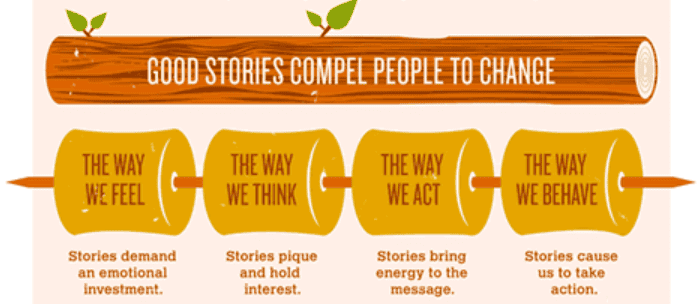
Storytelling is one of the most powerful tools for differentiation because it creates emotional engagement, which is far more memorable than factual information. While features and specifications inform users, stories help them relate, visualize, and internalize value.
Effective storytelling on social media is concise yet impactful. It doesn’t require long narratives but rather structured messaging that guides the viewer through a clear journey. This journey often includes a challenge, a turning point, and a resolution.
One of the most effective storytelling frameworks is transformation. By illustrating a “before” and “after” scenario, you provide a clear contrast that highlights the value of your product. This makes the benefit tangible rather than abstract.
Another effective approach is human-centered storytelling. Sharing the origin of your product, the challenges faced during development, or the people behind the brand adds authenticity. These narratives build trust and differentiate your brand from faceless competitors.
Additionally, user stories and testimonials can be framed as narratives rather than static quotes. Instead of presenting a review, show the context—what problem the user faced and how your product changed the outcome.
In a crowded feed, stories act as anchors. They give users a reason to pause, engage, and remember your brand beyond a single interaction.
Leverage Platform-Native Formats
Each social media platform has its own ecosystem, user behavior patterns, and content preferences. Treating all platforms the same is a strategic error that limits performance.
Platform-native content is designed specifically for the format and consumption style of each platform. For example, short-form vertical videos dominate platforms like TikTok and Instagram Reels because they align with how users consume content—quickly and passively.
These formats reward content that captures attention immediately and maintains engagement through pacing, visual variation, and concise messaging. Static or slow-paced content often underperforms in these environments.
On the other hand, platforms like LinkedIn favor insight-driven content, including carousels and text-based posts that deliver professional value. Here, depth and clarity matter more than rapid visual stimulation.
Interactive formats also play a key role. Features like polls, Q&A stickers, and comment prompts encourage participation, which signals relevance to platform algorithms. This increases reach organically.
To maximize impact, brands must adapt their messaging and creative execution to each platform rather than repurpose identical content across channels. This requires more effort but results in significantly higher engagement and visibility.
Create Scroll-Stopping Hooks
The hook is arguably the most critical element of any social media post. It determines whether a user engages or continues scrolling. Given the speed at which users consume content, the first few seconds—or even the first line—must immediately capture attention.
Effective hooks often leverage psychological triggers. Curiosity is one of the strongest drivers. When users encounter an incomplete idea or a surprising statement, they feel compelled to continue engaging to resolve that curiosity.
Clarity is equally important. A strong hook communicates value quickly. If users cannot understand what they will gain from engaging with your content, they are unlikely to invest their time.
Another effective approach is relatability. When users see their own experiences or frustrations reflected in your content, they are more likely to stop and engage. This creates an instant connection.
Hooks should also be specific rather than generic. Statements like “3 mistakes that are killing your conversions” perform better than vague or promotional language because they promise clear, actionable value.
Ultimately, the hook sets the expectation for the rest of the content. A weak hook undermines even the most valuable content, while a strong hook amplifies its reach and impact.
Invest in High-Quality Creative
Creative quality is a key differentiator on social media, but it does not necessarily mean high production costs. Instead, it refers to clarity, relevance, and effectiveness in communication.
Good creative ensures that the message is immediately understandable. This includes using strong visual hierarchy, readable text, and a clear focal point. Cluttered or confusing visuals reduce engagement because they increase cognitive effort.
Mobile optimization is also critical. Most users consume content on mobile devices, which means visuals must be designed for smaller screens. Text should be legible, and key elements should be positioned centrally.
Authenticity has become increasingly important. Overly polished content can sometimes feel disconnected or overly promotional. In contrast, content that feels natural and relatable often performs better, especially in video formats.
Consistency in creative execution also reinforces brand identity. When users recognize a certain style or format as belonging to your brand, it increases recall and trust.
Investing in creative is not about perfection—it’s about effectiveness. The goal is to communicate your message clearly and compellingly within the constraints of the platform.
Use Social Proof Strategically
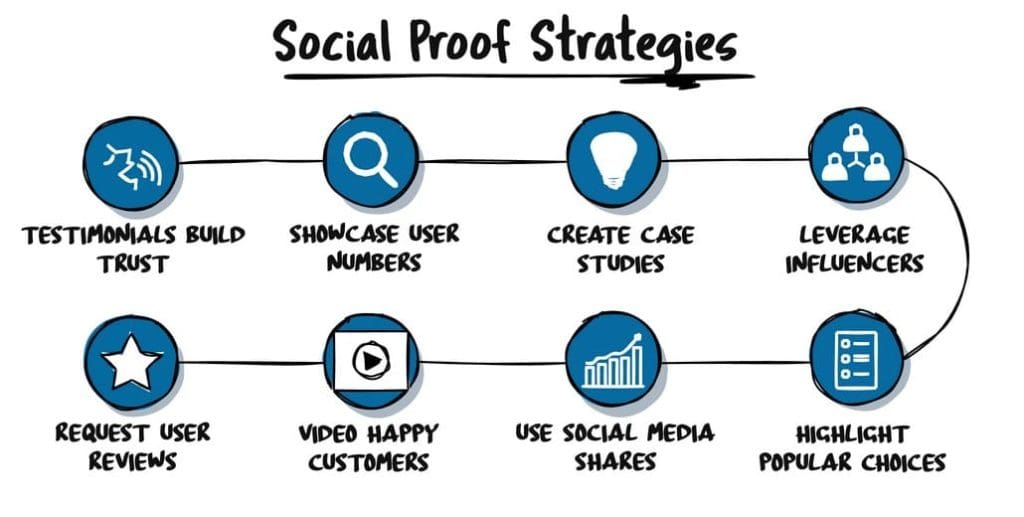
Social proof reduces uncertainty and builds credibility. In a digital environment where users cannot physically interact with products, validation from others becomes a critical decision-making factor.
However, simply displaying testimonials is not enough. The effectiveness of social proof depends on how it is integrated into your content.
Contextualization is key. Instead of presenting isolated reviews, embed them within a narrative. Show the problem, the solution, and the outcome. This makes the testimonial more relatable and impactful.
User-generated content is particularly powerful because it feels authentic. When real customers share their experiences, it carries more weight than branded messaging.
Influencer endorsements also function as social proof, but their effectiveness depends on trust. Audiences are quick to detect inauthentic promotions, so alignment between the influencer and the product is essential.
Quantitative proof, such as usage statistics or measurable outcomes, can further strengthen credibility. Statements like “used by over 50,000 customers” or “increased productivity by 30%” provide concrete validation.
When used strategically, social proof not only enhances trust but also accelerates decision-making by reducing perceived risk.
Collaborate with Creators and Influencers
Collaborating with creators extends your reach and introduces your product to new audiences in a credible way. Unlike traditional advertising, creator-led content feels more organic and integrated into the platform.
The key to successful collaboration is alignment. The creator’s audience, style, and values should match your brand positioning. Misalignment can lead to low engagement or even negative perception.
Micro-influencers often deliver strong results because of their niche focus and high engagement rates. Their audiences tend to trust their recommendations more, making their endorsements more effective.
Platforms like Stack Influence make this process scalable for eCommerce brands. As a leading micro-influencer marketing platform, Stack Influence automates creator matching, product seeding, and campaign execution — so brands can run authentic influencer promotions at scale without the manual overhead of negotiating fees or managing outreach.
Creative freedom is another critical factor. Allowing creators to present your product in their own voice ensures authenticity. Overly scripted collaborations often feel forced and fail to resonate.
Long-term partnerships are generally more effective than one-off campaigns. Repeated exposure builds familiarity and trust, increasing the likelihood of conversion.
In essence, creators act as intermediaries between your brand and the audience. When chosen and managed correctly, they can significantly amplify your social media presence.
Optimize Posting Strategy and Timing
Distribution plays a crucial role in content performance. Even high-quality content can underperform if it is not delivered at the right time or frequency.
Consistency is more important than sheer volume. Regular posting helps maintain visibility and signals reliability to platform algorithms. However, consistency should not come at the expense of quality.
Timing also affects engagement. Posting when your audience is most active increases the likelihood of immediate interaction, which can boost reach. This requires analyzing platform insights and experimenting with different schedules.
Content lifecycle management is another important consideration. Not all content needs to be new. Repurposing high-performing posts in different formats can extend their lifespan and maximize value.
Additionally, aligning content with relevant events, trends, or seasonal moments can enhance relevance and engagement.
An optimized posting strategy ensures that your content not only exists but also reaches the right audience at the right time.
Engage Actively with Your Audience
Engagement is a two-way process. Brands that actively interact with their audience build stronger relationships and improve visibility.
Responding to comments is one of the simplest yet most effective engagement tactics. It shows that the brand is attentive and values its audience. This encourages further interaction and builds community.
Initiating conversations is equally important. Asking questions, inviting opinions, or encouraging user participation increases engagement rates and provides valuable insights into audience preferences.
Engaging with user-generated content also strengthens relationships. When brands acknowledge and share customer content, it reinforces loyalty and encourages others to participate.
Active engagement also sends positive signals to platform algorithms, increasing the likelihood of your content being promoted to a wider audience.
Ultimately, social media success is not just about broadcasting messages—it’s about building connections.
Use Data to Refine Your Strategy
Data-driven decision-making is essential for sustained success on social media. Without analyzing performance, it is difficult to understand what works and what doesn’t.
Key metrics such as engagement rate, watch time, and click-through rate provide insights into how users interact with your content. These metrics help identify strengths and areas for improvement.
Pattern recognition is particularly valuable. By analyzing multiple posts, you can identify trends in content performance. For example, certain formats, topics, or styles may consistently outperform others.
A/B testing different elements—such as hooks, visuals, or captions—can provide deeper insights into what resonates with your audience.
It is also important to differentiate between vanity metrics and meaningful outcomes. High views or likes may not translate into conversions, so aligning metrics with business goals is crucial.
Continuous optimization based on data ensures that your strategy evolves with changing audience behavior and platform dynamics.
Differentiate Through Positioning
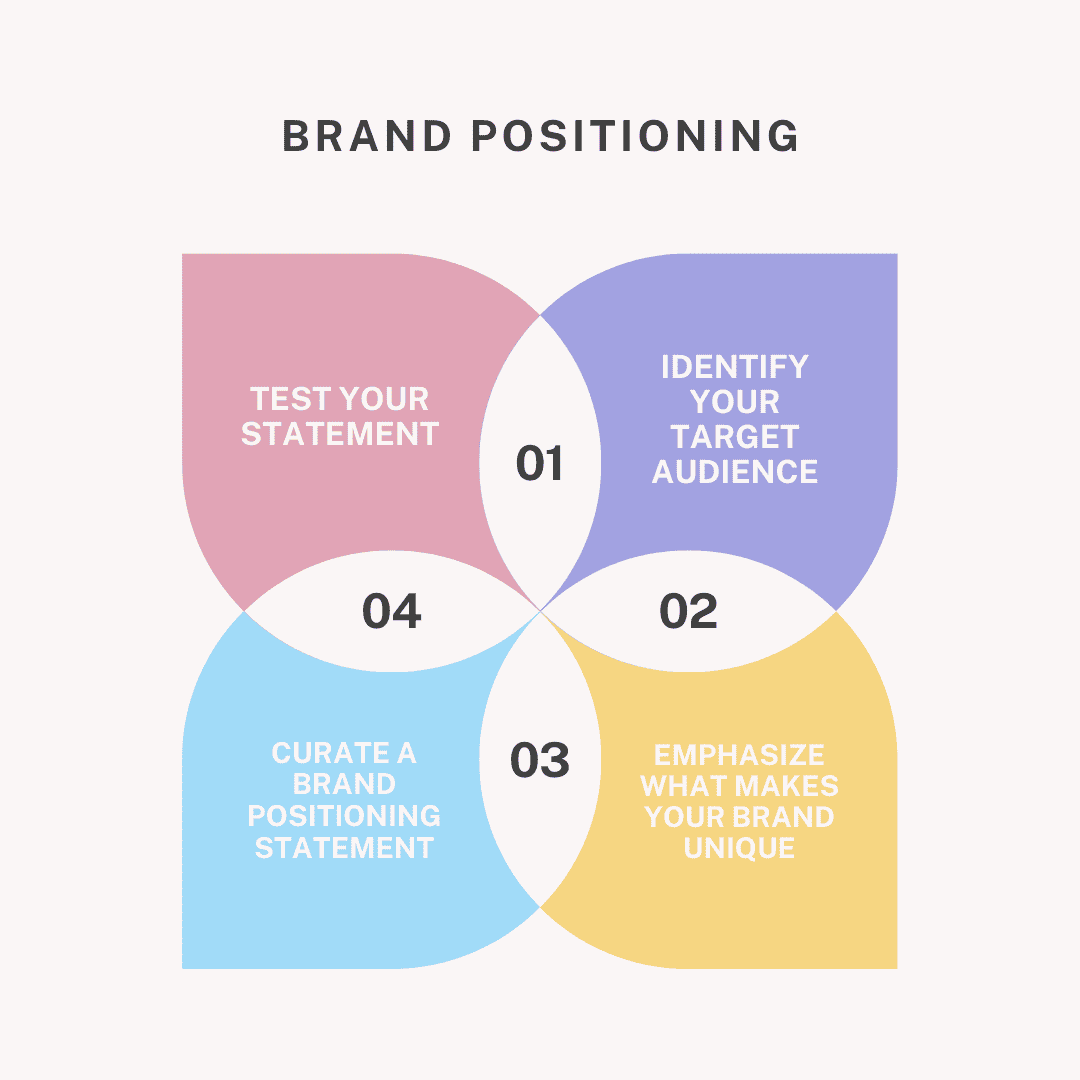
Standing out on social media is ultimately a function of how well your product is positioned. If your offering is perceived as generic, even the best content strategy will struggle to create impact.
Positioning defines how your product is perceived relative to alternatives. It answers the question: Why should someone choose this over something else?
Clear positioning allows for more focused messaging. Instead of trying to appeal to everyone, you target a specific audience with a specific value proposition. This increases relevance and engagement.
Niche positioning can be particularly effective. Serving a well-defined audience with tailored messaging often leads to stronger brand loyalty and higher conversion rates.
Consistency is critical. Your positioning should be reflected across all content, reinforcing the same core message repeatedly.
Strong positioning acts as the foundation for all social media efforts. Without it, differentiation becomes difficult, regardless of execution quality.
Balance Trends with Originality
Trends can provide short-term visibility, but they should not define your entire strategy. Over-reliance on trends can make your brand appear reactive rather than distinctive.
Participating in trends requires selectivity. Not every trend is relevant to your product or audience. Forced participation can feel inauthentic and reduce credibility.
When leveraging trends, adaptation is key. Instead of copying formats directly, integrate your product or message in a way that aligns with your brand identity.
Original content, on the other hand, builds long-term value. It establishes your brand as a source of unique insights or perspectives, which increases trust and authority.
The most effective strategies combine both approaches. Trends provide reach, while originality builds differentiation. Balancing the two ensures both immediate visibility and sustained brand growth.
Build a Content System, Not Just Posts
Sustainable success on social media requires systems, not sporadic efforts. Ad hoc content creation leads to inconsistency and limits scalability.
A content system includes defined pillars, such as education, entertainment, and product storytelling. These pillars ensure that content remains balanced and aligned with strategic goals.
Planning is another key component. A content calendar helps maintain consistency and allows for better coordination of campaigns and themes.
Templates and frameworks streamline production, reducing time and effort while maintaining quality. This is particularly important for scaling content operations.
Regular performance reviews close the loop. By analyzing results and refining strategies, brands can continuously improve their content system.
Ultimately, a structured approach transforms social media from a reactive activity into a strategic function that drives measurable outcomes.
Final Thoughts
Standing out on social media is not about isolated tactics—it’s about integrating multiple elements into a cohesive strategy. From attention-grabbing hooks to strong positioning and data-driven optimization, each component plays a role in building visibility and engagement.
The most successful brands treat social media as an ecosystem rather than a channel. They understand their audience deeply, communicate consistently, and adapt continuously.
If there is one guiding principle, it is this: create content that delivers value independent of the product. When users engage with your content because it is useful, relatable, or entertaining, your product naturally becomes part of that experience.
In a crowded digital landscape, differentiation is not optional—it is the foundation of success.