


The transformation driven by social media is not incremental—it is structural. Traditional marketing operated on asymmetry: brands controlled the narrative, media buying determined reach, and customer feedback loops were slow and fragmented. Social media has dismantled that asymmetry. Today, information flows bidirectionally and often virally, meaning brand perception is co-created in real time by both companies and consumers.
This paradigm shift has forced organizations to rethink not just their marketing strategies but their entire operating models. Customer engagement is no longer confined to the marketing department; it now spans customer support, product development, public relations, and even executive leadership. A tweet, comment, or viral video can influence stock prices, brand equity, and customer trust within hours.
Moreover, the barrier to entry for content creation has collapsed. Consumers armed with smartphones and social platforms can shape narratives as effectively as corporations. This democratization of voice has made engagement more complex but also more opportunity-rich. Brands that understand this shift are not just communicating—they are participating in an ongoing cultural dialogue.
From Audience to Community: Redefining Engagement
The transition from audience-building to community-building represents a fundamental strategic pivot. An audience is transactional—it consumes content. A community is relational—it interacts, contributes, and advocates. This distinction has profound implications for how brands design their engagement strategies.
Building a community requires sustained value creation. This can take many forms: educational content, entertainment, shared identity, or access to exclusive experiences. The goal is to create an environment where users feel a sense of belonging rather than mere consumption. For example, fitness brands often build communities around shared goals like health and discipline, while tech brands may focus on innovation and problem-solving.
Community-driven engagement also introduces network effects. As more users participate, the value of the community increases, leading to higher retention and organic growth. This reduces reliance on paid acquisition and enhances long-term brand equity.
However, community-building is resource-intensive. It demands active moderation, consistent interaction, and a willingness to relinquish some control over the narrative. Brands must be prepared to engage in conversations that are not always favorable and to incorporate feedback into their strategies.
The Rise of Real-Time Interaction
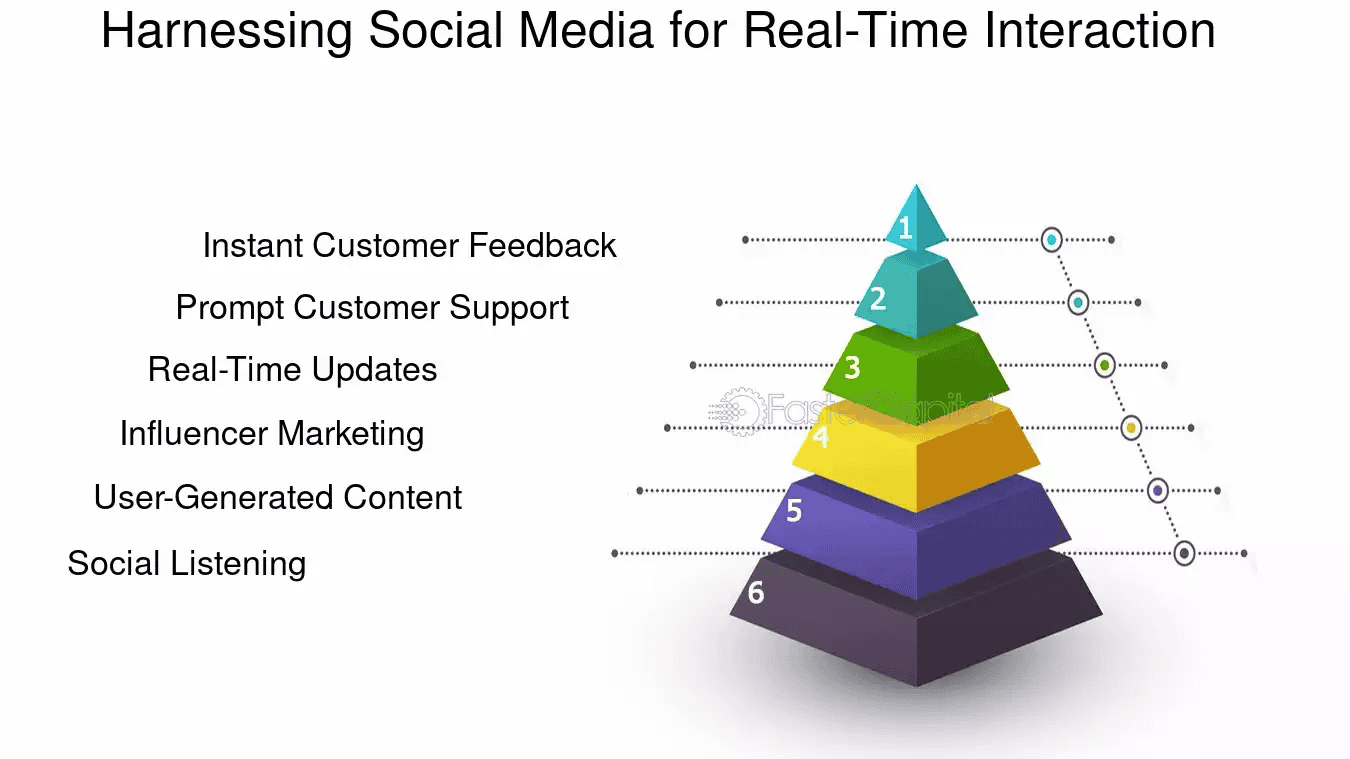
Real-time interaction has fundamentally altered customer expectations. In a world where messaging apps and social platforms operate 24/7, delays in response are often perceived as neglect or inefficiency. This has elevated responsiveness from a competitive advantage to a baseline requirement.
To meet these expectations, brands are investing in dedicated social media teams and leveraging automation tools such as chatbots and AI-driven response systems. These systems can handle high volumes of inquiries, provide instant responses, and escalate complex issues to human agents when necessary.
Real-time engagement also enables brands to capitalize on cultural moments. Whether it is a trending hashtag, a viral meme, or a global event, timely participation can significantly boost visibility and relevance. However, this requires a delicate balance. Brands must ensure that their participation is contextually appropriate and aligned with their identity.
Operationally, this shift necessitates agility. Content approval processes, which were traditionally lengthy and hierarchical, must be streamlined to enable rapid execution. Organizations that fail to adapt risk being outpaced by more agile competitors.
Personalization at Scale
Personalization has moved from a “nice-to-have” feature to a core expectation. Social media platforms generate vast amounts of behavioral data, including user interests, browsing patterns, engagement history, and demographic information. Brands are leveraging this data to deliver highly targeted and relevant experiences.
At a tactical level, personalization manifests in targeted advertising, customized content feeds, and individualized messaging, and personalized video marketing strategies designed to increase engagement and conversion rates. For brands that extend engagement into physical touchpoints, web-to-print tools for marketing agencies allow teams to produce personalized printed materials at scale, keeping brand identity consistent across both digital and offline channels.
Advancements in artificial intelligence and machine learning have made it possible to scale personalization without proportional increases in cost. Recommendation engines, predictive analytics, and natural language processing enable brands to anticipate user needs and deliver contextually relevant interactions. Many of the most impactful applications of AI in eCommerce rely on these technologies to personalize shopping experiences, improve product discovery, and increase conversion rates across digital channels.
However, personalization also raises concerns around data privacy and ethical usage. Consumers are increasingly aware of how their data is being used and expect transparency and control. Brands must strike a balance between relevance and respect for privacy, ensuring compliance with regulations and maintaining trust.
Content Evolution: From Promotion to Storytelling
Content strategy has undergone a significant evolution. Early social media efforts often mirrored traditional advertising—focused on product features, discounts, and promotional messaging. Today, such content is often ignored or actively avoided by users.
Modern content strategies prioritize storytelling. This involves crafting narratives that resonate emotionally, convey brand values, and provide meaningful context. Storytelling can take many forms, including customer testimonials, behind-the-scenes insights, and purpose-driven campaigns.
The rise of short-form video has further accelerated this shift. Platforms prioritize content that captures attention quickly and sustains engagement. This has led to a focus on creativity, authenticity, and relatability rather than production quality alone.
Additionally, content is increasingly interactive. Polls, quizzes, live sessions, and augmented reality filters encourage active participation, transforming users from passive viewers into engaged participants. Live formats such as webinars play a growing role here, and selecting the right webinar software can determine how smoothly these sessions run. This not only enhances engagement but also provides valuable data for further optimization.
Influencer Collaboration and the Trust Economy
Influencer marketing operates within what can be described as a “trust economy.” Consumers are more likely to trust recommendations from individuals they follow and relate to than from traditional advertisements. This has made influencers a critical component of modern engagement strategies.
However, the landscape is becoming more sophisticated. Brands are moving away from purely reach-based metrics toward engagement quality and audience alignment. Micro-influencers, who typically have smaller but more engaged audiences, often deliver higher returns on investment.
Long-term partnerships are also gaining prominence. By collaborating with influencers over extended periods, brands can build more authentic and consistent narratives. This approach reduces the risk of appearing transactional and enhances credibility.
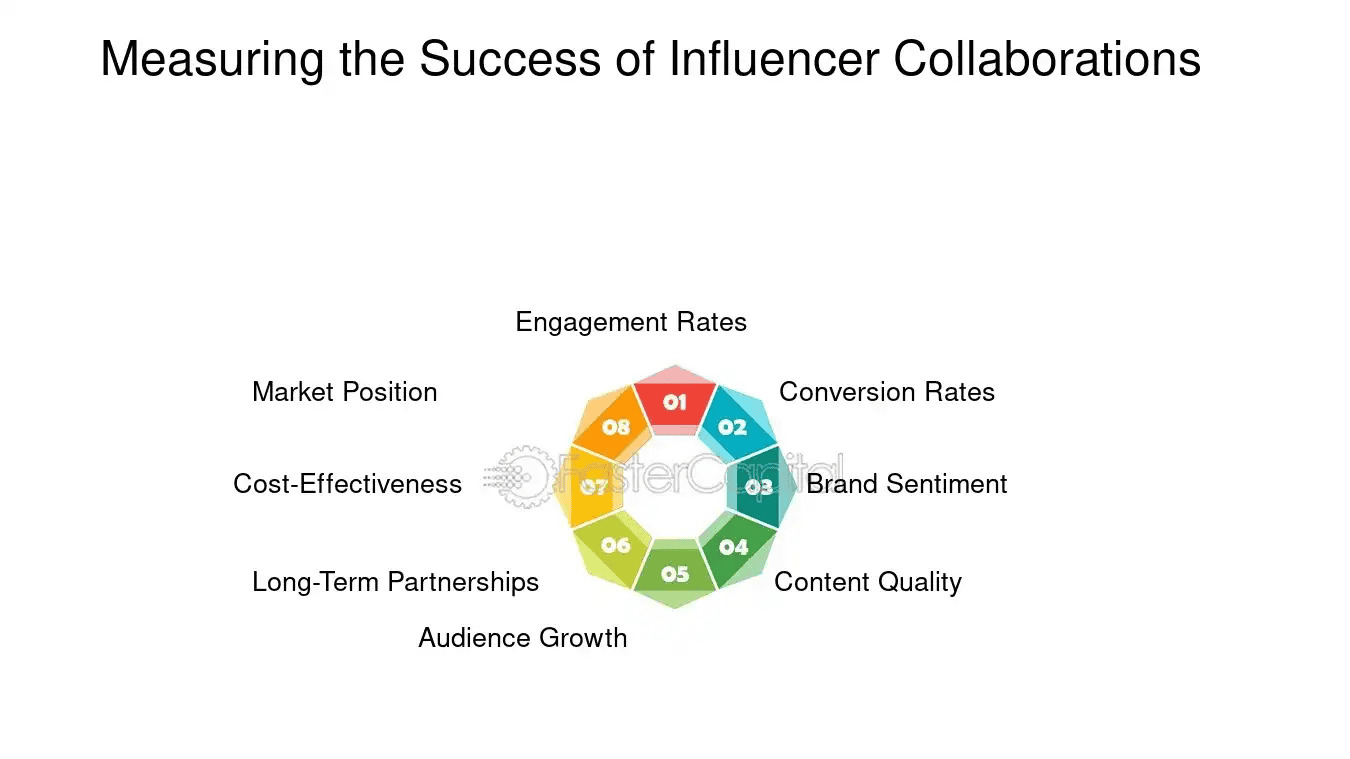
Measurement is another critical aspect. Brands are increasingly using performance metrics such as engagement rates, conversion rates, and sentiment analysis to evaluate the effectiveness of influencer campaigns. This data-driven approach ensures that collaborations are aligned with business objectives.
User-Generated Content: Co-Creation as Strategy
User-generated content (UGC) represents a shift from brand-centric to user-centric content creation. Instead of producing all content in-house, brands are leveraging their customers as content creators. This approach offers several advantages, including authenticity, scalability, and cost efficiency.
UGC campaigns often involve encouraging users to share their experiences, participate in challenges, or use branded hashtags. These campaigns can generate large volumes of content, significantly increasing reach and visibility.
From a psychological perspective, UGC fosters a sense of ownership and belonging. When users see their content featured by a brand, it reinforces their connection and loyalty. This can lead to increased advocacy and word-of-mouth promotion.
However, managing UGC requires careful curation. Brands must ensure that the content aligns with their values and maintains quality standards. Clear guidelines and moderation processes are essential to mitigate risks. Consistent incentives and recognition further motivate users to contribute high-quality, brand-aligned content regularly.
The Role of Data and Analytics
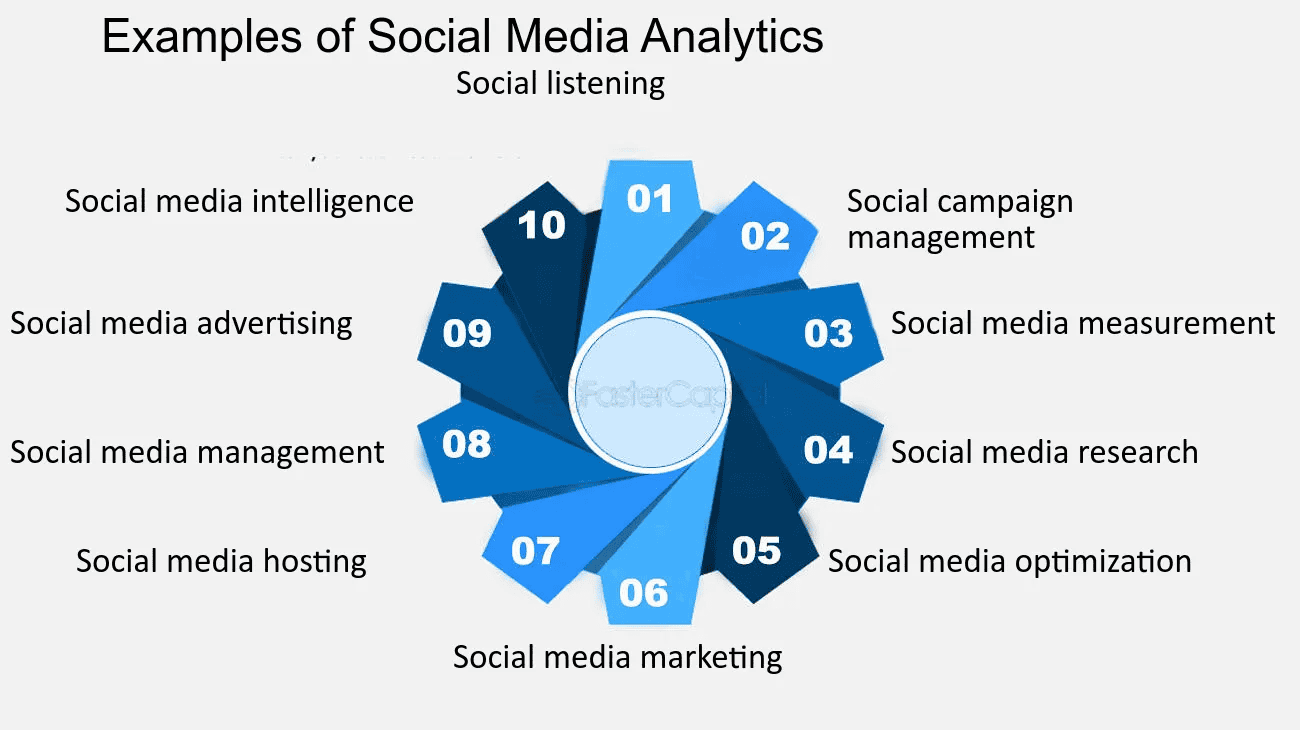
Data-driven decision-making is at the core of effective social media strategies. Analytics provide insights into what works, what doesn’t, and why. This enables brands to optimize their strategies continuously.
Modern analytics go beyond surface-level metrics. They include advanced indicators such as customer sentiment, engagement depth, and conversion attribution. These metrics provide a more comprehensive understanding of performance.
Predictive analytics is another emerging area. By analyzing historical data, brands can forecast trends, identify potential opportunities, and proactively adjust their strategies. This reduces uncertainty and enhances efficiency.
Integration is also critical. Social media data should not exist in isolation but should be integrated with other data sources such as CRM systems, website analytics, and sales data. Assembling this stack of tools can be costly, which is why many growing teams turn to platforms offering SaaS deals to access these solutions affordably.
Brands with sustainability commitments are also integrating data from the best carbon accounting software into broader business intelligence systems to support more comprehensive performance analysis. This holistic view enables more accurate measurement of ROI and better alignment with business goals.
Social Commerce: Bridging Engagement and Conversion
Social commerce represents the convergence of engagement and transaction. By integrating shopping features directly into social platforms, brands can reduce friction in the customer journey and increase conversion rates.
This model leverages impulse behavior. Users who discover products through engaging content can make purchases immediately without leaving the platform. This seamless experience enhances convenience and drives sales.
Live commerce is a particularly powerful format. It combines entertainment, interaction, and commerce, creating an immersive experience. Viewers can ask questions, see products in action, and make purchases in real time.
However, success in social commerce requires more than just technology. It demands a deep understanding of user behavior, compelling content, and efficient logistics. Brands must ensure that the entire experience—from discovery to delivery—is seamless and satisfying.
Authenticity and Brand Voice
Authenticity has become a non-negotiable aspect of brand engagement. In an environment saturated with content, users are quick to identify and reject inauthentic messaging. This makes consistency and transparency critical.
A well-defined brand voice serves as the foundation for authenticity. It guides how a brand communicates across different platforms and situations. Whether it is witty, authoritative, or empathetic, the voice must remain consistent while adapting to context.
Authenticity also involves acknowledging imperfections. Brands that openly address mistakes and demonstrate accountability often gain more trust than those that attempt to conceal issues.
Cultural sensitivity is another important factor. As brands engage with diverse audiences, they must ensure that their messaging is inclusive and respectful. Missteps in this area can lead to significant backlash.
Crisis Management in the Social Media Age
In the social media environment, crises unfold with unprecedented speed and visibility. A single complaint, misinterpreted message, or operational failure can escalate into a widespread issue within hours, amplified by shares, comments, and algorithmic reach. This makes crisis management not just a reactive function, but a strategic discipline that requires constant readiness.
At its core, effective crisis management depends on three principles: speed, clarity, and accountability. Brands must respond quickly to acknowledge the issue, communicate transparently about what is known, and outline the steps being taken to address it. Silence or delayed reactions often create a perception of indifference, which can intensify negative sentiment.
Preparation is a critical component. Organizations need predefined crisis response frameworks that include escalation protocols, approval workflows, and clearly designated spokespersons. This reduces internal confusion and ensures that communication remains consistent across all channels during high-pressure situations.
Equally important is active monitoring. Social listening tools allow brands to detect unusual spikes in mentions, sentiment shifts, or emerging issues before they escalate. Early detection enables proactive intervention, which can significantly reduce reputational damage.
Tone also plays a decisive role. Responses must be empathetic and human, avoiding overly corporate or defensive language. Audiences expect brands to take responsibility where appropriate and demonstrate a genuine commitment to resolving the issue.
Finally, post-crisis analysis is essential. Once the situation is resolved, brands should evaluate what went wrong, how it was handled, and what improvements can be made. This continuous learning process strengthens resilience and ensures better preparedness for future incidents.
The Future of Customer Engagement
The future of customer engagement will be shaped by emerging technologies and evolving consumer expectations. Artificial intelligence will play a central role, enabling more sophisticated personalization, automation, and predictive capabilities.
Augmented reality and virtual reality are expected to create more immersive experiences, allowing users to interact with products in new ways. For example, virtual try-ons and interactive showrooms can enhance both engagement and conversion.
Decentralization and data privacy will also influence the landscape. As consumers demand greater control over their data, brands will need to adopt more transparent and ethical practices.
Ultimately, the future will be defined by integration. Successful brands will seamlessly combine technology, data, and creativity to deliver holistic and meaningful experiences.
Conclusion: A Continuous Evolution
The social media revolution is an ongoing process rather than a completed transformation. As platforms evolve and new technologies emerge, the rules of engagement will continue to change. What works today may become obsolete tomorrow, making adaptability a core competency for modern brands.
Brands that succeed will be those that remain customer-centric while leveraging data and technology intelligently. They will treat social media not as a standalone marketing channel but as an integrated ecosystem that connects branding, customer service, commerce, and product innovation. This integrated approach ensures consistency across touchpoints and strengthens overall customer experience.
In this dynamic environment, experimentation becomes essential. High-performing brands continuously test content formats, engagement tactics, and platform strategies, using analytics to refine their approach. This iterative mindset allows them to stay ahead of trends rather than react to them.
Additionally, the human element will remain critical despite increasing automation. While AI can enhance efficiency and personalization, genuine human connection—empathy, creativity, and cultural understanding—will continue to differentiate successful brands. Consumers do not just engage with content; they engage with meaning and identity.
Looking ahead, brands must also prepare for a more decentralized and privacy-focused digital landscape. Building trust through transparency, ethical data usage, and authentic communication will become even more important. Ultimately, the future of customer engagement will belong to brands that can balance technology with humanity, scale with authenticity, and innovation with responsibility.