


Over the last ten years, social media has morphed from a simple communication tool to a major trendsetting force. Websites including Facebook, Instagram, Twitter, TikTok, and Snapchat have changed how we interact, view our world, and consume information. This thorough blog evaluates social media’s expansive effect on trends and pop culture. It discovers its influence on consumer habits, personal identity development, worldwide connections, visual culture, language, and instant interaction.
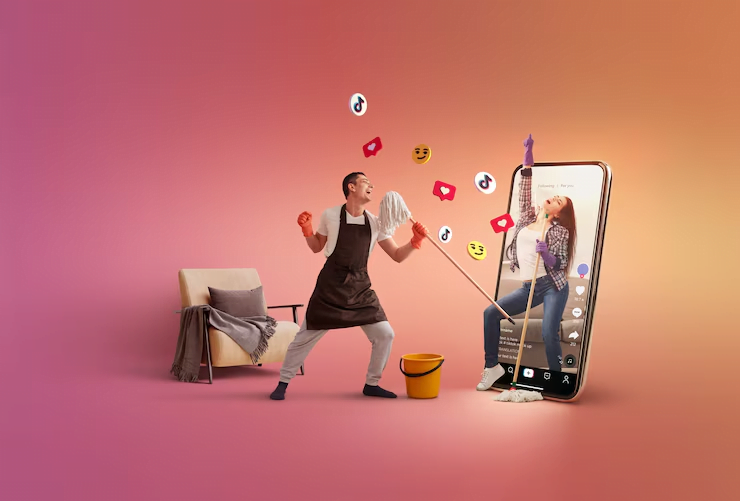
How Social Media Grew And Shaped Our World
Social media is now tied to our everyday routines. As we reached 2024, it was marked by the presence of more than 4.7 billion social media users globally. Each person spends around 2.5 hours on average on it daily. This massive footprint led social media to become a key platform for sharing news, forming collective viewpoints, and setting trends.
- Content Creation Made Easy: Social media has had a big impact by making content creation simple. Now, anyone having a smartphone and internet can create and circulate content. This breaks old barriers in sectors like journalism, music, art, and entertainment. Due to this, pop culture has a more varied and inclusive representation of thoughts and points of view.
- Online Stars: Online personalities, who have gathered many fans on social platforms, significantly impact our interests and widespread culture. They can sway the way we shop, dress, perceive beauty, and even think politically. Businesses frequently team up with these stars for advertising efforts. They use their followers and trustworthiness to publicize goods and solutions.
- Internet Fads and Memes: A lot happens on social media, especially with the phenomena of internet fads and memes. It could be an engaging dance on TikTok, a funny meme on Instagram, or a follow-worthy challenge on Twitter. These trends don’t take long to grab attention, impacting millions in a blink. Memes have emerged as a distinct way to express thoughts, weaving in elements of contemporary problems, humor, and shared cultural highlights.
Changes in Online Shopping
The way we shop has drastically changed due to social media. Thanks to sites like Instagram, Facebook, and Pinterest, and Aitechfy, people are now discovering and buying products differently. These changes stem from the popularity of online shopping and the influential role of content produced by users.
- Social Shopping: E-commerce options are now part of many social media networks. Things like Instagram’s “Shop”, Facebook Marketplace, and Pinterest’s “Buyable Pins” let folks buy items straight from the app. Shopping on social media makes it easy for you to get what you want and for companies to connect with the right consumers.
- Customized Advertising: Social media sites employ smart formulas to study user habits and likes. This provides a solid base for really targeted marketing. Companies can directly engage certain audience groups with appropriate content, which makes the ads more fitting and successful. This customization builds a stronger bond between buyers and brands, encouraging a sense of loyalty and more return buys.
- Content Made by Users: Today’s shoppers crave realness and rely more on reviews and suggestions from their peers than on traditional ads. Content made by users, like product ratings, videos of items being unpacked, and testimonials from customers, is a strong strategy for influencing buying choices. Platforms such as YouTube and TikTok are filled with content made by regular people showing off products and expressing their thoughts, this way, they are guiding consumer trends.

Identity Creation and Social Media
Social media holds a crucial spot in shaping and expressing personal and group identities. How people portray themselves on the internet, the groups they participate in, and the subjects they interact with, all help define their self-view and sense of community.
- Building Your Digital Self: You can make your own internet avatar using apps like Instagram, Snapchat, and TikTok. They lets you share pictures, clips, and tales of yourself. They offer features to improve and change looks, letting users create a perfect self-image. But, this also means we face challenges. Being true feels hard and there is pressure to look a certain way. You could actually add your internet avatar in your email signature to make it easy for recipients you have interacted with on social media to recognize you.
- Shared Cultures and Mixed Identities: Social media’s worldwide reach helps mix cultures. It introduces users to different customs, languages, and ways of life, creating mixed identities from varied cultural inputs. This fusion of cultures enhances pop culture, bringing fresh thoughts and views.
- Together and United: Social media creates room for connection with similar-thinking people, building communities based on mutual interests and identities. Fan clubs to advocate groups, such as web-based communities offer backing, affirmation, and a feeling of unity. For disadvantaged groups, social media becomes an essential tool to find unity and boost their narratives.
Worldwide Links and Trend Growth
Social media removes barriers of distance, weaving together a global community. Trends and cultural shifts spread quickly worldwide. This connection deeply impacts how trends start, are embraced, and evolve.
- Worldwide Hits: Things that begin in one area can rapidly become popular across the globe. Take the example of K-pop, a South Korean music form, that has taken the world by storm through sites like YouTube and Twitter. Similarly, worldwide events like the “Ice Bucket Challenge” have crossed boundaries, showing that some trends can interest everyone.
- Mixing Cultures Together: Social media is a tool that bridges cultures and adds flavor to pop culture. Musicians around the world join forces to create music, fashion designers look to worldwide trends for ideas, and filmmakers dive into a mix of narrative styles. These partnerships bring about a culture scene that’s full of variety and welcome to all.
- Changing Trends for Local Contexts: Even though worldwide fads quickly become popular, they usually adjust to suit local contexts. This adjustment, known as localization, helps make sure that each trend is in sync with different cultural tastes. For instance, TikTok’s popular dance challenges might spark off versions that mirror local dancing techniques and music choices.
Looking at Visual Tradition
Photos and videos rule on social media, making sites such as Instagram, Snapchat, and TikTok super popular. This new visual tradition greatly shapes modern trends and pop culture.
- Growing Popularity of Picture Narratives: The art of telling stories through visuals is gaining momentum. Platforms like Instagram Stories, Snapchat’s fleeting posts, and TikTok’s quick clips give people the ability to tell their tales in fun and attractive ways. This style has revolutionized storytelling, making it more interactive and instant.
- Photos and Videos Today: Today, we see a surge in the need for visually captivating images and videos. Catching an “Instagrammable” moment is now a common goal, leading to an increase in professional-level photography and videography. Thanks to smartphones and editing apps, even beginners have this access.
- Impact on Beauty Standards: Social media shapes and shares various beauty trends ranging from the simple “Instagram look” to specialized styles like “country charm” or “old-fashioned academia.” This impacts not just individual style but extends to clothing trends, home decoration, and even how food is presented visually.
The Effect of Social Media on Language and Sharing Information
Social media has not just altered our ways of interaction, it has also reshaped the words we use.
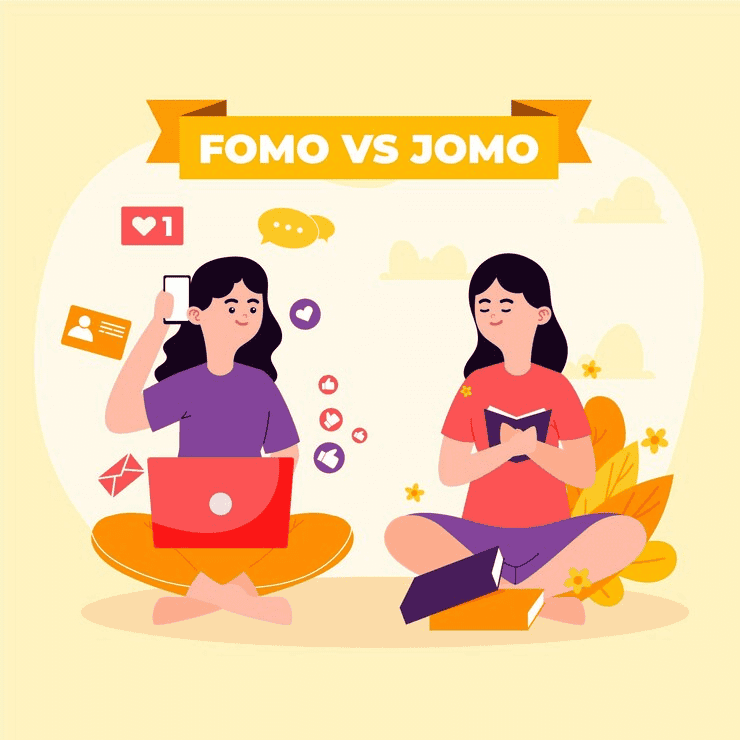
- The rise of updated phrases and sayings: New phrases and slang are quickly springing up. Twitter and TikTok, are both great at starting new trends in language. Words such as “lit”, “stan”, “FOMO”, and “YOLO”, these terms show us just how much social media changes the way we talk every day.
- Brief Chatting: Sites with character restrictions like Twitter promote clear conversation. This has shaped the way individuals write, steering towards straightforward and brief messages. The rise of emojis and GIFs in web interaction has added additional depth and emotion that words by themselves may not show.
- Hashtags and What’s Hot: Hashtags are now key in sharing and grouping data. They gather content by topic, so people can track hot topics and join worldwide chats. The likes of #ThrowbackThursday (TBT) and #FlashbackFriday (FBF) show how hashtags keep trends alive.
Understanding Algorithms and Data Analytics
Algorithms, the backbone of social media platforms, profoundly influence pop culture and trends. By sifting through massive data, algorithms decide the content users see, guiding their awareness of varying trends.
- Content Suggestion Tools: Apps such as YouTube, Instagram, and TikTok utilize suggestion tools to propose content related to user actions. These tools examine elements like viewing patterns, likes, shares, and comments to craft content suited to personal tastes. While this customization might promote better user interaction, it can also result in echo chambers that restrict access to a variety of viewpoints. For those looking to extract information from videos, tools for converting YouTube video to text can be particularly useful. These video-to-text converters transcribe spoken content into written form, making it easier to search, review, or utilize the information presented in videos.
- Moral Reflections: Algorithms and data analytics tend to stir up ethical questions, mainly about privacy and data safety. Collecting and studying user info has to be done carefully and openly to keep trust and protect privacy. Also, we must tackle biases in algorithms that might keep old stereotypes alive or make unfairness worse.
- The Future of Trends and Understanding: Thanks to social media analytics , platforms, and brands can foresee new trends and measure how popular they will be. By keeping tabs on social media, companies can spot trends in advance. Taking advantage of this can be a game-changer for your marketing strategies, especially in fields like fashion, entertainment, and marketing. Since being current with trends is key.
Social Media’s Future Impact
As we move forward, social media’s sway on popular culture and trends will likely grow. This growth will be fueled by tech developments and changes in how users behave. Certain major trends are expected to mold this future.
- The Surfacing of Specialized Networks: As conventional networks become overcrowded, the chance for specialized social media platforms catering to distinct groups and hobbies are set to shine. These platforms grant more custom and community-driven interactions, cultivating stronger participation and allegiance.
- Increasing Focus on Online Health: Countering the harmful effects of social media on mental health is gaining attention. Thus, there will be an increased focus on online health. New features will come up on platforms to assist users in controlling their online time, lowering screen tiredness, and encouraging positive chats. Efforts to fight against online bullying and incorrect information sharing will be put at the forefront.
- Easier Online Connection: Social media sites plan to link more with other online services and tech stuff. It is like knitting a huge web where everything is connected. This will make it smooth to bounce between different sites, whether you are shopping, watching movies, talking with friends, or hanging out in virtual worlds.
- Uniting Augmented Reality (AR) and Virtual Reality (VR): AR and VR are mixing with social media, creating deep experiences that blend the virtual and real worlds. Expect to see more virtual gatherings, AR image enhancements, and VR hangout spots. They are altering how people engage with data and socialize with one another.
- The Influencer Culture Shift: Change is coming in the influencer world, leaning towards genuine, reachable influencers. Tiny-sized influencers with less followers but more interaction will become trendsetters. Companies hope to partner with influencers that match their vision and can genuinely interact with followers.
Final Thoughts on the Influence Of Social Media On Pop Culture And Trends
Social media plays a big part in setting popular culture and trends. It is like a mirror showing how tech, society, and people interact in intricate ways. It influences what we buy and how we see ourselves. It helps to connect us worldwide and swap cultural ideas. Social media sites truly fuel the changes in today’s culture.
Strolling through our digital world, it is important to stay aware of the pros and cons social media offers. If we acknowledge and handle its downsides and focus on the benefits, we can tap into its promise. This can add spice to our lives, encouraging a more united, active, and colorful community online.
Social media is ever-changing and this brings both new chances and tests. We are all part of this – users, makers, buyers. Our actions and decisions shape how social media changes. We even shape pop culture and trends. We can make choices that help our online experience. We can help make the world more connected, more cultured. Let us make sure social media stays exciting and adds value to our cultures.