


In an era defined by constant connectivity and information overload, capturing consumer attention has become one of the most difficult challenges for businesses. Every day, users scroll past hundreds—if not thousands—of posts, advertisements, videos, and brand messages across multiple social media platforms. Within this environment, simply having a good product is no longer enough. If potential customers are not aware of a product, do not recognize it when they see it, or fail to understand why it matters, demand cannot be created. This makes product awareness the cornerstone of modern marketing success.
Social media has fundamentally reshaped how product awareness is built and sustained. Unlike traditional advertising channels that rely on one-way communication, social media enables continuous exposure, interaction, and reinforcement. Products are no longer discovered only through ads; they appear organically through short videos, influencer content, peer recommendations, comments, shares, and community discussions. This repeated, multi-context exposure plays a critical role in shaping perception, familiarity, and trust long before a purchase decision is made.
What makes social media especially powerful for product awareness is its ability to blend storytelling with scale. Brands can introduce a product visually, demonstrate its use in real-life scenarios, communicate its benefits through concise messaging, and reinforce credibility through social proof—all within the same ecosystem. At the same time, advanced targeting and analytics allow businesses to reach specific audience segments with precision and to measure awareness growth in ways that were previously impossible.
However, building product awareness on social media is not a matter of posting frequently or running occasional ads. It requires a structured strategy that aligns audience insights, platform selection, content creation, consistency, and measurement. Without this structure, brands risk generating short-term visibility without lasting recall or relevance.
This ultimate guide is designed to provide a comprehensive understanding of how product awareness can be built effectively using social media. It explores the strategic foundations, practical execution methods, and optimization principles that help brands remain visible, recognizable, and memorable in a highly competitive digital landscape. Whether launching a new product or strengthening awareness for an existing one, mastering social media product awareness is essential for long-term growth and market relevance.
Understanding Product Awareness in the Social Media Context
Product awareness refers to the degree to which consumers recognize a product, recall its name or visual identity, and associate it with a specific need or benefit. In the context of social media, awareness goes beyond simple exposure. It involves repeated, meaningful interactions that gradually embed the product into the audience’s consciousness.
Social media awareness is shaped by algorithms, engagement patterns, and social validation. A product that appears consistently in feeds, stories, videos, and discussions becomes familiar, even if users have not yet expressed purchase intent. Over time, this familiarity reduces friction in the decision-making process. Social platforms also allow awareness to develop through multiple formats—visual, audio, and interactive—making recall stronger than through single-format channels. Understanding this layered nature of awareness is critical before attempting to scale it.
Why Social Media Is Critical for Product Awareness
Social media is critical for product awareness because it aligns with how modern consumers discover and evaluate products. It also plays a crucial role in dropshipping product research, helping sellers see what types of products generate buzz and engagement before they decide which items to test in their store. People no longer rely solely on advertisements or search engines; they encounter products organically through content, creators, and peer recommendations on social platforms.
Another key advantage is repetition without monotony. Social media allows brands to present the same product in different contexts—educational posts, entertainment-driven videos, testimonials, and lifestyle content—without appearing repetitive. Additionally, the sharing mechanism built into social platforms enables awareness to spread beyond paid or owned audiences. When users engage with or share content, the product gains secondary exposure, significantly amplifying reach at a relatively low incremental cost.
Defining Clear Product Awareness Objectives
Product awareness campaigns are most effective when they are driven by clearly defined objectives rather than vague goals such as “more visibility.” Clear objectives provide direction, enable measurement, and inform strategic decisions across content, platforms, and budgets.
Objectives may include increasing reach among a new demographic, achieving a specific impression frequency, growing branded searches, or improving brand recall metrics. For new product launches, the objective may be introduction and familiarity. For existing products, it may be reinforcement or repositioning. Without explicit objectives, it becomes difficult to assess success or optimize performance, leading to inefficient use of resources and inconsistent outcomes.
Identifying and Understanding the Target Audience
Target audience clarity is the backbone of any product awareness strategy. Social media platforms provide advanced targeting capabilities, but these tools are only effective when guided by a deep understanding of who the product is for and why it matters to them.
This involves analyzing demographic data such as age, location, and profession, as well as psychographic factors like interests, values, and lifestyle preferences. Understanding content consumption habits is equally important—what formats the audience prefers, when they are most active, and which platforms they trust. Awareness content that aligns with the audience’s context and expectations is more likely to be noticed, remembered, and engaged with over time.
Choosing the Right Social Media Platforms
Not all social media platforms serve the same purpose or audience, and attempting to build awareness everywhere often leads to diluted impact. Platform selection should be strategic and data-driven, focusing on where the target audience is most active and receptive.
Visual platforms such as Instagram, TikTok, and Pinterest are ideal for products that benefit from visual demonstration or lifestyle integration. LinkedIn is more effective for professional, B2B, or high-consideration products that require credibility and authority. YouTube supports deeper storytelling and educational awareness through long-form video. Selecting the right platforms ensures that awareness efforts are concentrated where they are most likely to generate meaningful recall.
Developing a Strong Brand and Product Narrative
A strong narrative is what transforms isolated posts into a cohesive awareness strategy. Without a clear narrative, content may generate impressions but fail to create lasting associations in the audience’s mind.
The product narrative should clearly communicate what the product is, who it is for, and why it exists. It should highlight the core problem it solves and the unique value it offers, without overwhelming the audience with technical details. Over time, consistent storytelling builds recognition and emotional connection. When users repeatedly encounter the same underlying message expressed through different content formats, the product becomes easier to recognize and remember.
Creating Content That Drives Product Awareness
Content is the primary driver of awareness on social media, but not all content is equally effective for this purpose. Awareness-focused content should prioritize clarity, relevance, and engagement rather than direct selling.
Effective awareness content introduces the product naturally within stories, scenarios, or demonstrations. It may include educational posts, short product showcases, lifestyle imagery, or relatable problem-solution narratives. The goal is to help the audience understand what the product does and why it matters, without pushing for immediate action. Consistent posting and content variation ensure that the product remains visible without causing fatigue.
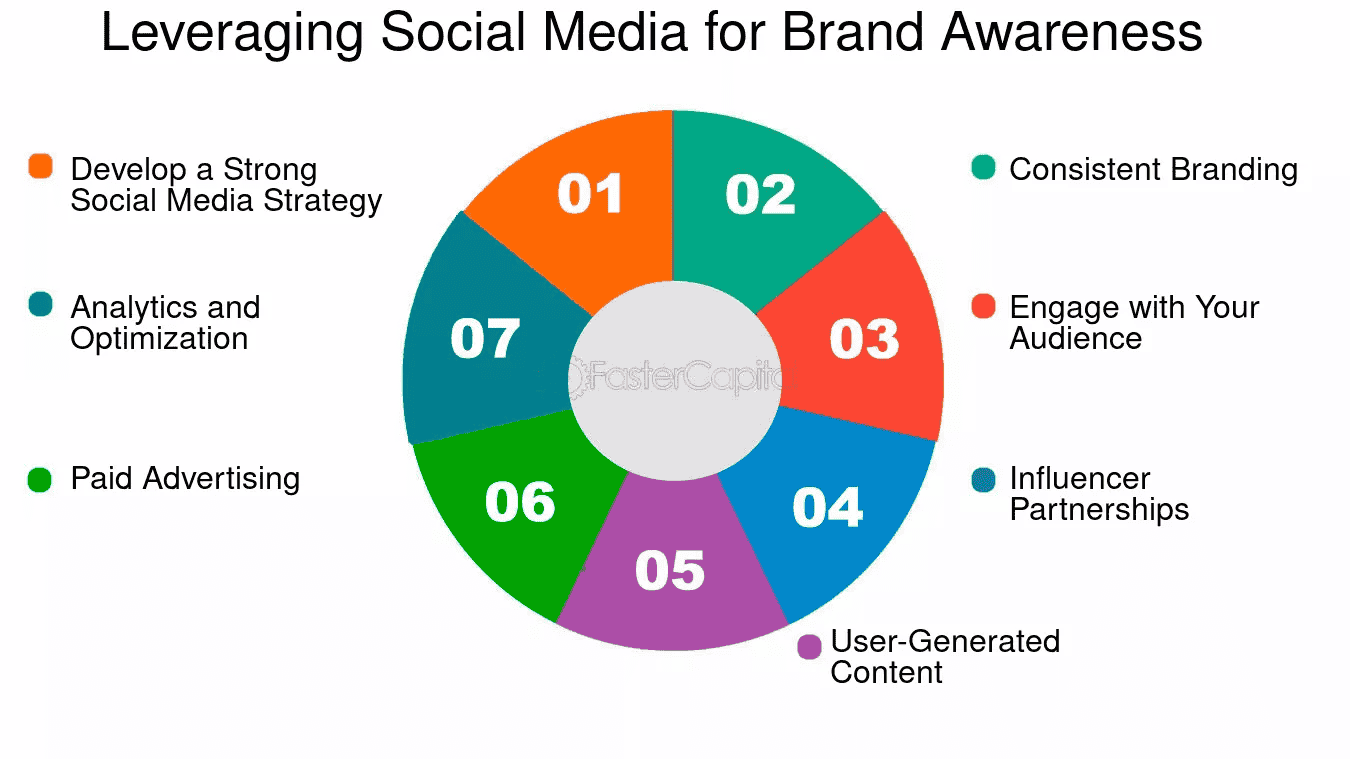
Brands often rely on visual assets such as brochures and one-pagers to introduce products clearly, and tools like an AI design generator can help create awareness-focused materials that explain value without feeling overly promotional.
Leveraging Video and Short-Form Content
Video content has become central to social media algorithms and user behavior, making it one of the most powerful tools for building product awareness. Short-form videos, in particular, allow brands to communicate key messages quickly and memorably.
For awareness, video content should focus on visual clarity and immediate engagement. The first few seconds are critical for capturing attention, especially in fast-scrolling environments. Demonstrating the product in use, highlighting a key benefit, or presenting a visually compelling scenario helps anchor the product in the viewer’s memory. Repeated exposure to short, engaging videos significantly improves recognition and recall over time.
Utilizing Influencers and Creators for Amplification
Influencers and content creators play a pivotal role in expanding product awareness beyond a brand’s owned audience. Their credibility and established relationships with followers allow products to be introduced in a trusted, relatable manner.
For awareness objectives, authenticity is more important than reach alone. Collaborating with creators whose audience aligns closely with the product’s target market leads to higher engagement and better retention. Creator-led content often feels more organic and less promotional, increasing the likelihood that users will watch, share, and remember the product being featured.
Encouraging User-Generated Content and Social Proof
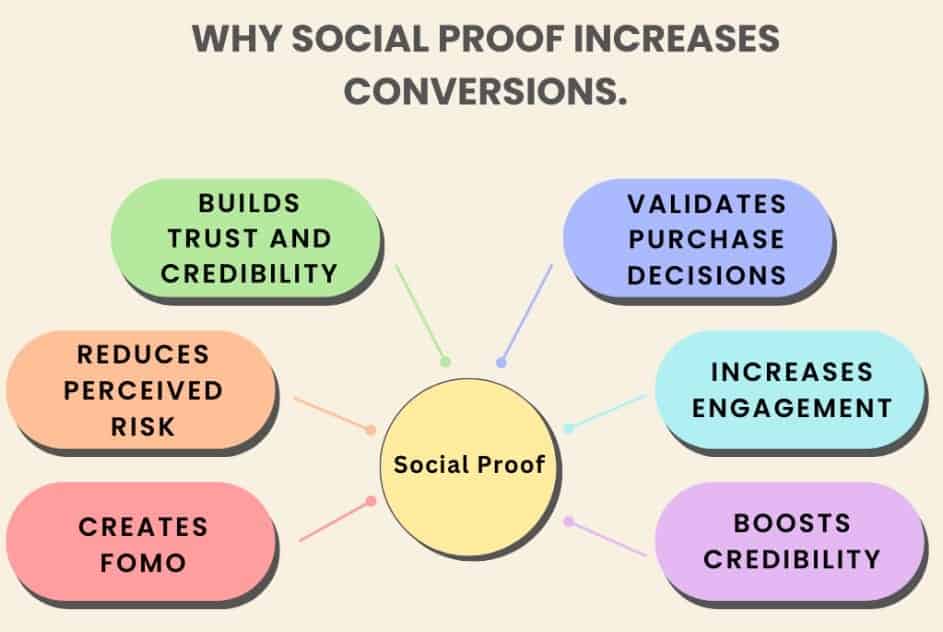
User-generated content is one of the most effective ways to reinforce product awareness. When real users share their experiences, the product gains visibility within peer networks, which often carry more trust than brand messaging.
Brands can encourage user-generated content through hashtags, challenges, reposting customer content, or featuring users on official brand pages. This approach not only increases awareness but also creates a sense of community around the product. Seeing multiple people use and endorse a product in different contexts strengthens familiarity and reinforces credibility.
Paid Social Media Advertising for Scalable Awareness
While organic strategies are valuable, paid social media advertising is essential for scaling product awareness predictably and efficiently. Paid campaigns allow brands to reach specific audience segments at scale while controlling frequency and exposure.
Awareness-focused advertising should prioritize metrics such as reach, impressions, and frequency rather than immediate conversions. Creative assets should be designed for quick recognition, with strong visuals and consistent branding elements – AI image harmonization can be used here. Over time, paid campaigns can be optimized to maximize exposure among high-potential audiences, ensuring sustained visibility.
Maintaining Consistency Across Channels and Campaigns
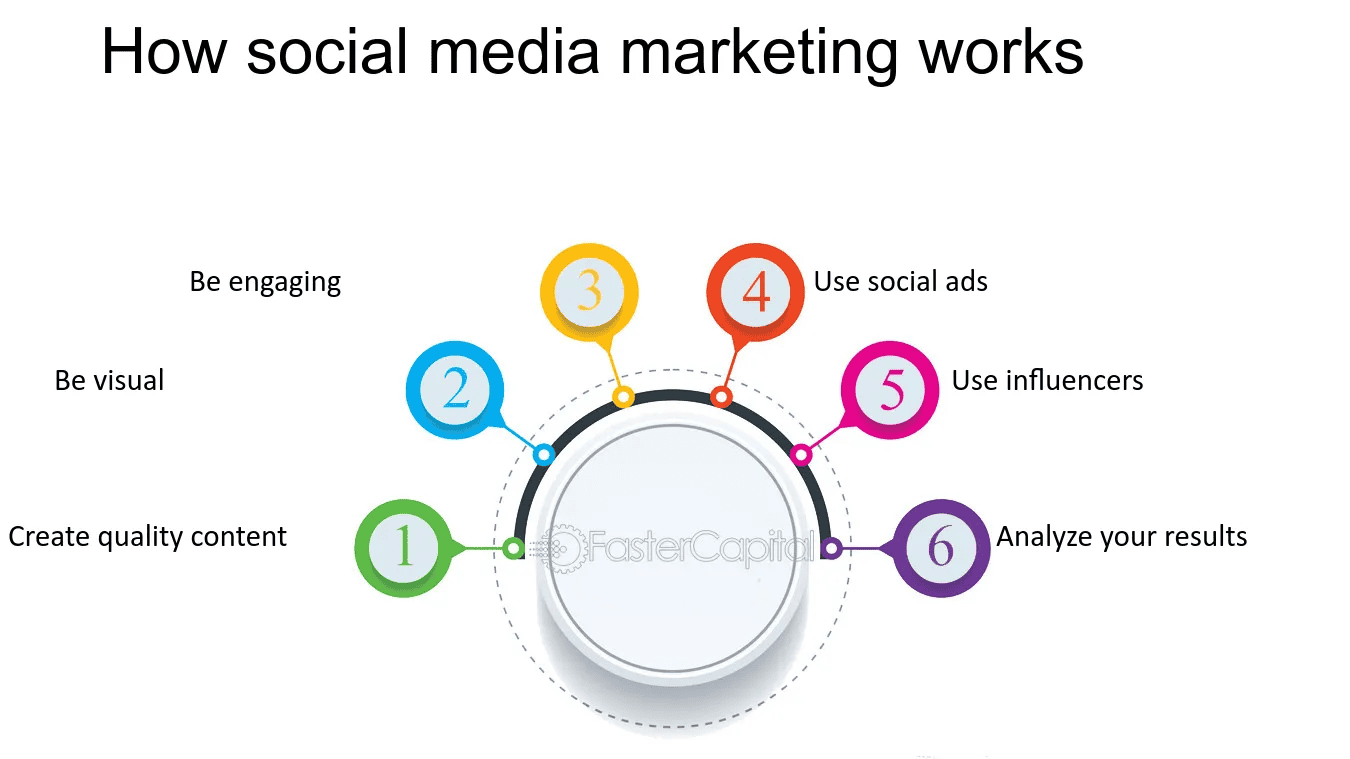
Consistency is a critical factor in building product awareness. Inconsistent visuals, messaging, or tone can confuse audiences and weaken brand recall.
Maintaining consistent brand elements such as colors, typography, voice, and messaging themes ensures that each exposure reinforces recognition rather than resetting it. Campaign consistency is equally important; awareness efforts should run long enough to achieve meaningful repetition. Over time, consistent presence builds familiarity, which is the cornerstone of effective awareness.
Measuring Product Awareness on Social Media
Although awareness is an upper-funnel metric, it can and should be measured. Social media platforms provide a range of indicators that help assess whether awareness efforts are effective.
Key metrics include reach, impressions, engagement rates, follower growth, profile visits, and increases in branded searches. Connecting these awareness metrics with a CRM helps brands understand how social visibility translates into audience growth, lead interest, and long-term customer relationships. These metrics provide insight into how widely the product is being seen and how audiences are responding. Regular measurement allows brands to identify trends, evaluate creative performance, and adjust strategies based on data rather than assumptions.
Optimizing and Refining Awareness Strategies Over Time
Product awareness strategies must evolve continuously to remain effective. Changes in platform algorithms, audience behavior, and competitive activity require ongoing refinement.
Optimization involves testing different content formats, creative styles, messaging angles, and posting schedules. Insights from performance data should guide adjustments, enabling brands to focus resources on the most effective approaches. Over time, incremental improvements compound, leading to more efficient reach and stronger awareness outcomes.
Using referral programs to extend social product awareness
Referral programs turn existing product awareness into repeatable exposure. When customers actively recommend a product, awareness spreads through trusted peer networks rather than brand-owned channels alone.
On social media, referrals amplify familiarity because they combine two strong signals: repetition and endorsement. A product seen in a friend’s post, link, or shared incentive carries more weight than a brand message, even when the content itself is simple.
Tools like ReferralCandy enable brands to structure this process by making referrals easy to share, track, and attribute. Instead of hoping customers talk about the product organically, referral programs give them a clear reason and a frictionless way to do so, extending awareness beyond the brand’s immediate audience.
Common Mistakes to Avoid in Social Media Product Awareness
Many brands undermine their awareness efforts through avoidable mistakes. Overly promotional content can reduce engagement, while inconsistent branding weakens recognition. Neglecting analytics often results in repeated inefficiencies and missed optimization opportunities.
Another common mistake is expecting immediate sales from awareness campaigns. Awareness is a long-term investment that supports future conversions. Brands that approach it with patience, consistency, and strategic intent are more likely to achieve sustainable results.
Integrating Product Awareness with the Broader Marketing Funnel
Product awareness should be aligned with the broader marketing funnel to maximize its impact. Awareness content can feed retargeting campaigns, email marketing, and engagement-focused initiatives, creating a seamless progression from discovery to consideration.
When awareness is integrated effectively, downstream marketing efforts become more efficient because the audience is already familiar with the product. This alignment ensures that awareness investments contribute directly to long-term growth rather than functioning as isolated visibility efforts.
Final Thoughts on Product Awareness Using Social Media
Product awareness using social media is a strategic, ongoing process that requires clarity, consistency, and creativity. By understanding the audience, selecting the right platforms, developing a strong narrative, and executing with discipline, brands can build sustained visibility in an increasingly competitive digital landscape.
Social media offers unparalleled opportunities to introduce products, reinforce recognition, and shape perception over time. Businesses that commit to a structured, data-driven approach to product awareness are better positioned to remain relevant, memorable, and competitive. In the long run, strong product awareness is not just a marketing outcome—it is a business asset that drives trust, preference, and growth.