
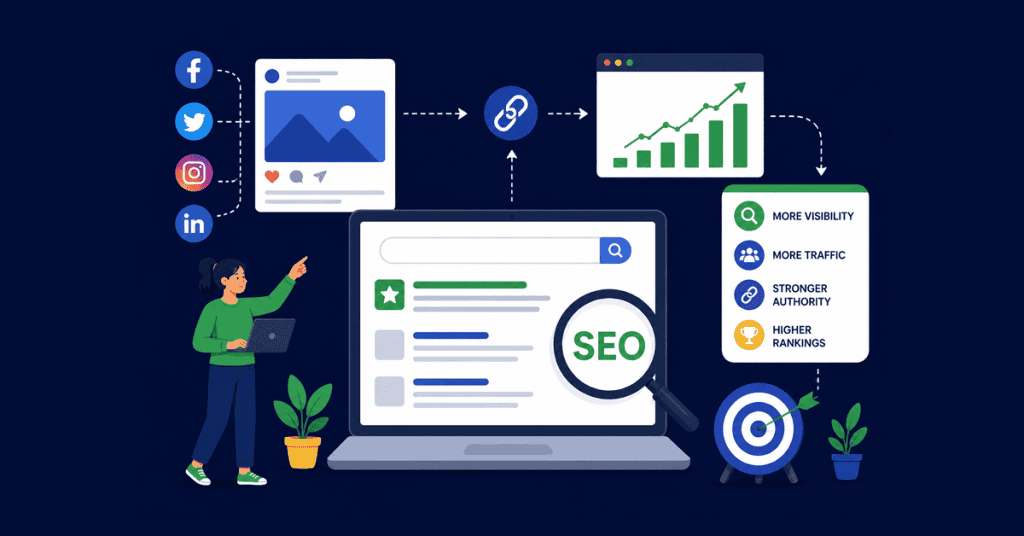

Search Engine Optimization (SEO) and social media marketing are often treated as separate digital strategies. However, when combined effectively, they can amplify each other’s impact and significantly improve your online visibility. Social media may not directly influence search engine rankings in a traditional sense, but it plays a critical role in driving traffic, building brand authority, and generating signals that search engines value.
This guide explores how to leverage social media to improve your SEO performance, with practical strategies you can implement immediately.
Understanding the Relationship Between SEO and Social Media
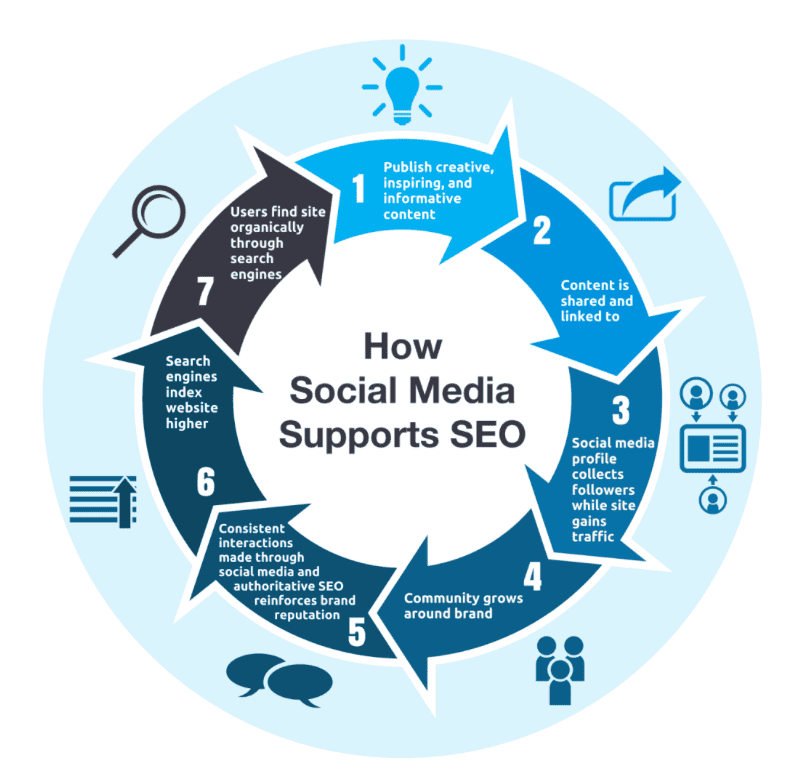
To effectively use social media for SEO, you need to understand how these two channels interact within the broader digital ecosystem. Search engines like Google do not use social media likes, shares, or followers as direct ranking factors. However, social media plays a crucial indirect role in influencing many of the elements that do affect rankings.
For example, when content is widely shared across platforms like LinkedIn, Twitter (X), or Facebook, it gains increased visibility. This exposure can lead to more users visiting your website, engaging with your content, and even linking back to it from their own blogs or websites. These backlinks are one of the strongest ranking signals in SEO.
Additionally, social media helps search engines discover new content faster. When a page is frequently shared, it is more likely to be crawled and indexed quickly. Social presence also strengthens brand authority, and branded searches are a strong signal of trust and relevance. In essence, social media acts as a distribution engine that amplifies your SEO efforts.
Optimize Your Social Media Profiles for Search
Your social media profiles often appear on the first page of search engine results, especially for branded queries. This makes them a critical component of your overall SEO strategy. A well-optimized profile not only improves discoverability but also reinforces your brand’s credibility.
Start by ensuring consistency across all platforms. Your business name, username, and branding elements should be identical wherever possible. This consistency helps search engines associate all profiles with your brand.
Incorporate relevant keywords naturally into your bio and descriptions. For instance, if you run a digital marketing agency, include terms like “SEO services,” “content marketing,” or “social media strategy.” This increases the chances of your profiles appearing in relevant searches.
Make sure to include a link to your website and keep all contact information updated. Adding location details is particularly important for local SEO. High-quality visuals, including profile pictures and cover images, also enhance user trust and engagement, which indirectly supports SEO performance.
Create Shareable, High-Quality Content
Content is the foundation of both SEO and social media success. Without valuable content, neither channel can deliver meaningful results. The key is to create content that resonates with your audience and encourages them to share it.
High-quality content typically addresses a specific problem, answers a question, or provides unique insights. It should be well-structured, easy to consume, and visually appealing. Incorporating elements like infographics, short videos, and compelling visuals can significantly increase shareability.
Emotion also plays a role in content sharing. Content that inspires, educates, or entertains is more likely to be shared. Additionally, aligning your content with trending topics or current events can boost visibility.
From an SEO perspective, shareable content increases the likelihood of earning backlinks. When your content reaches a wider audience, it has a higher chance of being referenced by other websites. This creates a positive feedback loop where social media drives visibility, which in turn improves SEO performance.
Promote Blog Content Strategically
Publishing a blog post without promotion is a missed opportunity. Social media provides the perfect platform to distribute your content and ensure it reaches your target audience.
Instead of sharing your blog post just once, promote it multiple times using different formats and angles. For example, you can highlight key insights in one post, share a quote in another, and create a short video summarizing the article.
Each platform requires a tailored approach. LinkedIn works well for professional insights, Instagram for visual summaries, and Twitter (X) for concise, engaging threads. Adapting your content to fit each platform increases engagement and reach.
Scheduling tools can help maintain consistency, while analytics can identify the best times to post. Strategic promotion not only drives traffic but also increases the chances of your content being shared and linked to, which benefits SEO.
Drive Traffic to Your Website
One of the most measurable benefits of social media for SEO is increased website traffic. When users click on your links and visit your site, it sends positive signals to search engines about your content’s relevance and value.
However, driving traffic requires more than just posting links. Your content must entice users to click. This starts with compelling headlines that spark curiosity or promise value. Strong calls-to-action (CTAs) also play a crucial role in guiding users to take the next step.
Preview elements such as images, meta descriptions, and snippets should be optimized to make your links more attractive. On platforms like Instagram, where clickable links are limited, using a well-structured link-in-bio strategy can help direct users effectively.
Once users land on your website, the quality of your content determines whether they stay or leave. High engagement metrics like longer session durations and lower bounce rates can indirectly influence your SEO rankings.
Encourage Backlinks Through Social Exposure
Backlinks are one of the most important ranking factors in SEO, and social media can be a powerful tool for acquiring them. While social platforms themselves typically provide nofollow links, the exposure they generate can lead to valuable organic backlinks.
When your content is shared widely, it reaches a broader audience that may include bloggers, journalists, and industry experts. These individuals are more likely to reference and link to your content if they find it useful.
To maximize backlink opportunities, focus on creating link-worthy content. This includes original research, case studies, comprehensive guides, and visually rich assets like infographics. Content that provides unique data or insights is particularly attractive for linking.
Collaborating with influencers and participating in industry discussions can further increase your content’s visibility. The more people see your content, the higher the likelihood of earning backlinks.
Use Keywords in Social Media Content
Keyword optimization is not limited to your website—it also applies to your social media content. Using relevant keywords helps your posts become more discoverable within platform search functions and aligns your social strategy with your SEO goals.
Incorporate keywords naturally into captions, descriptions, and even hashtags. For video content, include keywords in titles and descriptions to improve visibility on platforms like YouTube.
However, avoid keyword stuffing. The focus should remain on readability and user engagement. Well-integrated keywords enhance discoverability without compromising content quality.
Aligning your keyword strategy across both SEO and social media ensures consistency in messaging and increases the chances of reaching your target audience across multiple channels.
Leverage Hashtags Strategically
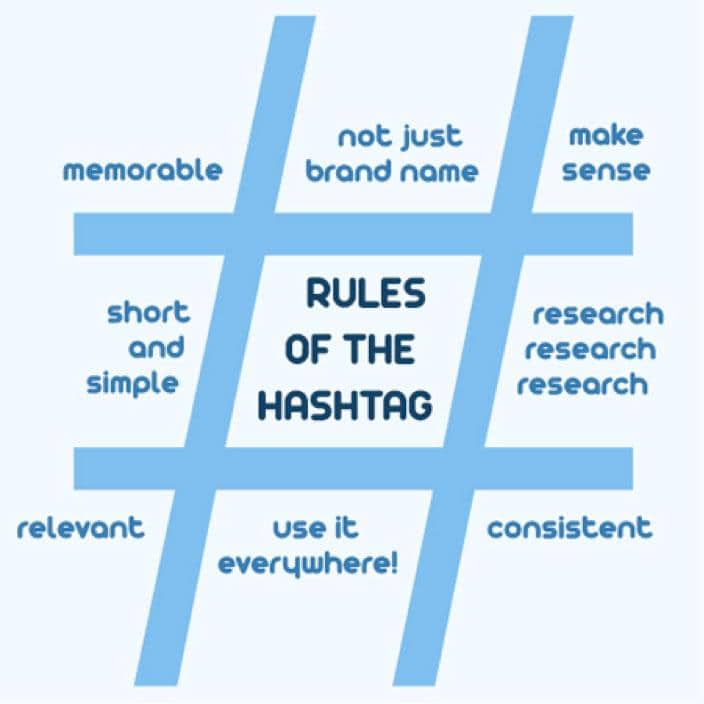
Hashtags act as categorization tools that make your content easier to discover. When used correctly, they can significantly expand your reach and improve engagement.
A balanced hashtag strategy includes a mix of popular, niche, and branded hashtags. Popular hashtags increase visibility, while niche hashtags help you reach a more targeted audience. Branded hashtags can strengthen your identity and encourage user-generated content.
Research is essential to identify the most effective hashtags in your industry. Tools and platform insights can help you understand which tags are trending and relevant.
Avoid overloading your posts with too many hashtags, as this can appear spammy and reduce engagement. Instead, focus on quality and relevance. Strategic hashtag usage ensures your content reaches the right audience, indirectly supporting your SEO efforts.
Build Brand Authority and Trust
Brand authority is a critical factor in both SEO and social media success. Search engines prioritize content from trusted sources, and social media is one of the best platforms to establish that trust.
Consistently sharing valuable insights positions your brand as an industry expert. Engaging with your audience by responding to comments and messages builds relationships and credibility.
Social proof, such as testimonials, reviews, and user-generated content, further enhances trust. When users see others interacting positively with your brand, they are more likely to trust and engage with your content.
As your brand authority grows, so does the number of branded searches—users actively searching for your business. This is a strong signal to search engines that your brand is relevant and trustworthy.
Increase Content Lifespan Through Repurposing
Creating new content constantly can be resource-intensive. Repurposing allows you to maximize the value of existing content while extending its lifespan.
For example, a single blog post can be transformed into multiple social media assets, including infographics, videos, carousels, and threads. Each format caters to different audience preferences and platforms.
Repurposing also reinforces your message by presenting it in different ways. This increases the likelihood of reaching users who may have missed the original content.
From an SEO perspective, repurposing drives continuous traffic to your website. As content is reshared and redistributed, it maintains relevance and visibility over time.
Improve Local SEO with Social Media
For businesses targeting specific geographic areas, social media is a valuable tool for improving local SEO. It helps you connect with local audiences and increase visibility in location-based searches.
Adding location tags to posts and maintaining consistent business information across profiles are essential steps. Encouraging customers to leave reviews and check in at your location can also boost your local presence.
Engaging with local communities, participating in events, and collaborating with local influencers further strengthens your visibility. These activities create signals that search engines associate with local relevance.
A strong local social media presence can improve your rankings in local search results and increase foot traffic to your business.
Use Social Signals to Amplify Content Reach
Social signals, such as likes, shares, and comments, indicate how users interact with your content. While they are not direct ranking factors, they play a significant role in amplifying your content’s reach.
High engagement increases the likelihood of your content being seen by a larger audience. This can lead to more traffic, shares, and potential backlinks.
To boost engagement, focus on creating interactive content. Ask questions, run polls, and encourage discussions. Storytelling and relatable content also tend to perform well.
Consistency is key. Regular posting keeps your audience engaged and ensures your content remains visible. Over time, strong social signals contribute to a more robust online presence, indirectly supporting SEO.
Collaborate with Influencers and Industry Leaders
Influencer collaborations can significantly enhance both your social media and SEO efforts. By partnering with individuals who have established audiences, you can expand your reach and build credibility.
Influencers can help promote your content, drive traffic to your website, and increase brand awareness. Their endorsement also adds a layer of trust that can influence audience perception.
From an SEO perspective, collaborations can lead to backlinks, mentions, and increased visibility. Guest blogging, co-created content, and interviews are effective ways to leverage these partnerships.
Choosing the right influencers is crucial. Their audience should align with your target market to ensure maximum impact.
Monitor Performance and Adjust Strategy
No strategy is complete without performance tracking. Monitoring your social media and SEO metrics allows you to identify what works and what doesn’t.
Key metrics include referral traffic (tracked with referral tools like ReferralCandy), engagement rates, click-through rates, and conversions. Tools like Google Analytics (or GA4) and platform-specific insights provide valuable data.
Analyzing this data helps you refine your strategy. For example, if certain types of posts drive more traffic, you can focus on creating similar content. You can automate this process by connecting your GA4 data directly to Claude for instant AI-powered insights and optimization tips.
Continuous optimization ensures that your efforts remain effective and aligned with your goals. Data-driven decisions lead to better results over time.
Common Mistakes to Avoid
Even with the best intentions, certain mistakes can hinder your progress. Recognizing and avoiding these pitfalls is essential for success.
One common mistake is posting without a clear strategy. Random content lacks direction and fails to deliver consistent results. Another issue is ignoring audience engagement—social media is a two-way channel, and interaction is crucial.
Over-promotion is another pitfall. Constantly pushing your products or services without providing value can drive users away. Similarly, using irrelevant hashtags or neglecting analytics can reduce effectiveness.
By avoiding these mistakes and focusing on value-driven, strategic efforts, you can ensure that your social media activities positively impact your SEO performance.
Final Thoughts on how to Improve SEO with Social Media
SEO and social media are deeply interconnected, even if their relationship is indirect. Social media enhances content visibility, drives traffic, and builds brand authority—all of which contribute to better SEO outcomes.
The key to success lies in consistency, quality, and strategic execution. By aligning your social media efforts with your SEO goals, you can create a powerful synergy that drives long-term growth.
Ultimately, businesses that understand and leverage this connection will have a significant advantage in the increasingly competitive digital landscape.